
Enhancing shipyards: On fortifying India’s shipbuilding infrastructure
Incentives for shipbuilding should encompass long-term offtake opportunities
Synopsis: India’s maritime sector, the backbone of its trade, is poised for a significant transformation with the government’s renewed focus on revitalizing the shipbuilding industry. A recently announced ₹69,725 crore package aims to address the sector’s chronic issues and position India as a major global player by 2047. This initiative, while ambitious, must navigate the failures of past policies and address deep-seated structural challenges to truly build a self-reliant and competitive shipbuilding ecosystem.
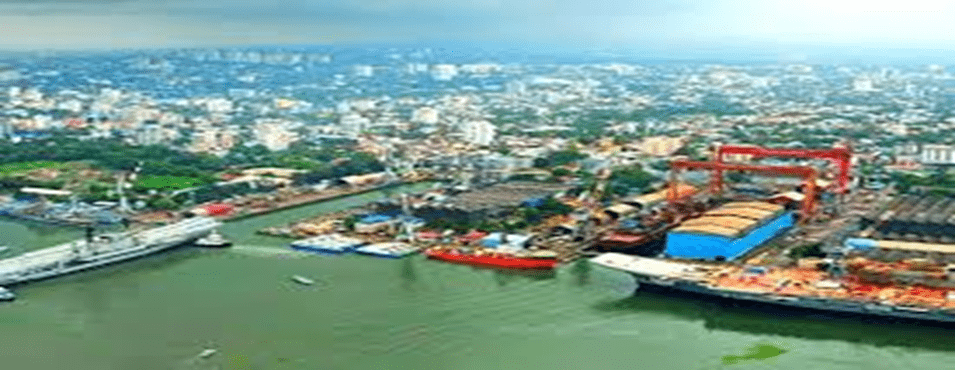
Current State of Indian Shipbuilding: A Minor Player on a Global Stage
Despite a rich maritime history and a vast coastline, India’s share in the global shipbuilding market remains less than 1%, starkly contrasting with giants like China, South Korea, and Japan, who collectively dominate over 90% of the market. The industry is characterized by a dichotomy: public sector shipyards are heavily reliant on lucrative defense orders, including aircraft carriers and submarines, while the construction of large merchant vessels is almost non-existent. In the last decade, only a handful of small merchant ships were built in India.
This stagnation is a result of several critical bottlenecks. Indian shipyards face 25-30% higher costs compared to their global peers due to factors like lower labor productivity, expensive financing, and a heavy dependence on imported critical components such as marine-grade steel and navigation equipment. Furthermore, inadequate infrastructure, including the lack of mega shipyards, modern dry docks, and sufficient crane capacity, leads to significantly longer turnaround times—often two to three years for a vessel that global yards can deliver in about a year. This inefficiency erodes competitiveness and deters Indian shipowners from placing orders domestically.
The New Government Impetus: A Four-Pillar Strategy
Recognizing shipbuilding as a “mother of heavy engineering industry” with a high investment multiplier (1.8) and employment multiplier (6.4), the government has launched a comprehensive package to overhaul the sector. This initiative is built on four pillars aimed at strengthening domestic capacity, improving financing, promoting shipyard development, and enhancing technical skills.
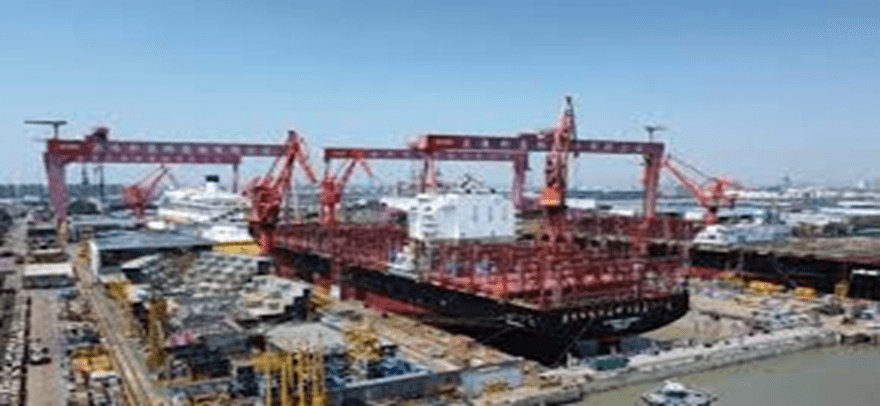
Key components of the package include:
- Financial Assistance and Funds: The Shipbuilding Financial Assistance Scheme (SBFAS) has been extended until March 2036 with a corpus of ₹24,736 crore. A new Maritime Development Fund (MDF) with ₹25,000 crore has been approved to provide crucial long-term, low-cost financing for the sector.
- Capacity Expansion: A Shipbuilding Development Scheme (SbDS) with an outlay of nearly ₹20,000 crore aims to expand the national shipbuilding capacity to 4.5 million Gross Tonnage annually. This includes promoting greenfield and brownfield shipyard development and creating mega shipbuilding clusters to house ancillary industries.
- Infrastructure Status: Granting ‘infrastructure’ status to large ships allows them to be used as collateral for loans, easing the financing process for a capital-intensive industry.
- Incentivizing Green Shipping: The policy offers higher financial assistance (25%) for building green or hybrid vessels, aligning with the global maritime industry’s shift towards sustainability.
This ambitious plan is aligned with the long-term goals of the Maritime India Vision 2030 and Amrit Kaal Vision 2047, which aim to place India among the top 10 shipbuilding nations by 2030 and the top 5 by 2047.
Challenges and the Path Forward
While the new package is a significant step, its success hinges on overcoming challenges that have plagued the sector for years. The previous financial assistance scheme, set to expire in 2026, was largely unsuccessful in boosting commercial shipbuilding.
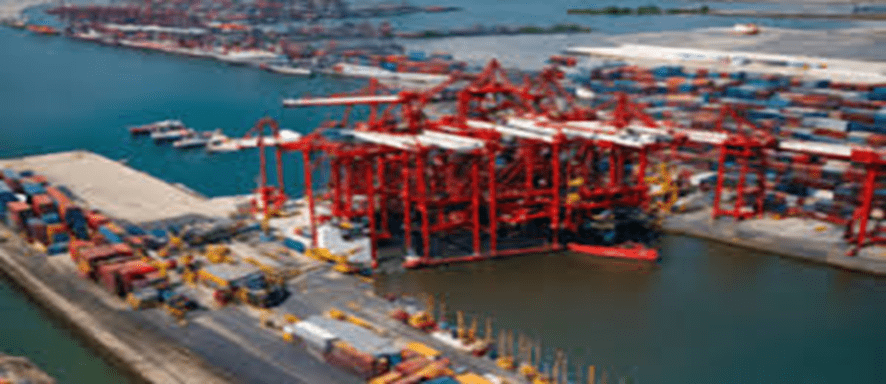
To ensure a different outcome, a multi-pronged approach is essential:
- Technological Upgradation and R&D: Indian yards must move beyond traditional methods. Adopting modern techniques like block prefabrication, robotic welding, and digital design tools is crucial to reducing construction timelines and improving productivity. Establishing the proposed India Ship Technology Centre under the Indian Maritime University will be a critical step in fostering domestic R&D.
- Developing the Ancillary Ecosystem: A robust domestic supply chain for ship components is non-negotiable to reduce costs and import dependence. The development of shipbuilding clusters must focus on creating an integrated ecosystem of component manufacturers.
- Skill Development: A highly skilled workforce is the bedrock of an efficient shipbuilding industry. Maritime training centers must be established to produce a workforce proficient in advanced shipbuilding technologies.
- Ensuring Demand: Incentives need to be coupled with long-term offtake possibilities to give Indian shipowners the confidence to invest in new vessels built in Indian yards, which are often plagued by cost overruns from delays.
Conclusion: Charting a New Course
The government’s substantial financial commitment marks a watershed moment for India’s shipbuilding industry. It is a transformative push for maritime self-reliance that could generate nearly 30 lakh jobs and attract investments worth ₹4.5 lakh crore. By strengthening the maritime sector, India not only aims to reduce its massive $75 billion annual expenditure on foreign vessels but also enhance its national security, strategic autonomy, and geopolitical resilience in the Indian Ocean Region. The success of this ambitious voyage will depend on meticulous implementation, addressing the infrastructural and technological gaps, and fostering a collaborative environment between the government, public, and private shipyards and ancillary industries to truly ‘Make in India’ for the world.
UPSC mains exam question based on the provided topic:
GS Paper 2: Government Policies and Interventions for development in various sectors and issues arising out of their design and implementation.
GS Paper 3: Indian Economy and issues relating to planning, mobilization of resources, growth, development, and employment; Infrastructure: Ports.
Question 1: The Indian government has recently announced a significant financial package to revitalize the shipbuilding industry. In light of the failures of past policies, critically analyze the key pillars of this new initiative. What structural and technological challenges must be addressed to ensure its success and position India as a global shipbuilding hub? (15 Marks, 250 Words)
Question 2: Strengthening the domestic shipbuilding industry is not merely an economic objective but a strategic imperative for India. Discuss this statement in the context of the ‘Make in India’ initiative, maritime security in the Indian Ocean Region, and the need for developing a robust ancillary ecosystem. (10 Marks, 150 Words)
(Source – The Hindu)