
The complete and unedited transcript of the cockpit voice recorder must be made public
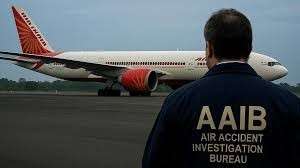
- The primary cause was likely identified as a breach of Standard Operating Procedures (SOPs) by the flight crew.
- However, the “unvarnished” aspect of the report delves deeper, highlighting systemic issues of pilot fatigue due to aggressive rostering and a potential breakdown in Crew Resource Management (CRM), where a hierarchical cockpit culture may have prevented the co-pilot from challenging the captain’s erroneous decisions effectively.
- The investigation casts a shadow on the Directorate General of Civil Aviation (DGCA). It questions the efficacy of its safety audits, suggesting they may have become a “tick-box” exercise rather than a substantive evaluation of an airline’s safety culture.
- It highlights the inherent conflict in the DGCA’s dual role as a regulator and an enabler of industry growth, where safety oversight can sometimes be diluted by commercial pressures.
- The independence of the AAIB is positive, but its recommendations have historically faced delays in implementation, revealing a gap in the accountability framework.
- The report likely scrutinised the operational readiness of ground-based infrastructure at Ahmedabad airport. This includes the functionality of the Instrument Landing System (ILS) and the clarity of communication from Air Traffic Control (ATC).
- Overburdened ATC personnel and aging infrastructure in a high-traffic environment pose a significant risk, which the investigation has brought to the forefront.
- The findings implicitly critique the airline’s management for fostering a culture where on-time performance and cost-cutting might have been prioritised over robust safety protocols.
- Inadequate investment in continuous and high-quality pilot training, particularly for new aircraft types or complex scenarios, is emerging as a critical systemic failure.
- Grant statutory powers to the AAIB to ensure its safety recommendations are implemented by all stakeholders (airlines, DGCA, AAI) within a strict, publicly-disclosed timeline.
- Create a parliamentary or external committee to oversee the implementation of AAIB recommendations.
- The DGCA must transition from a punitive regulator to a proactive safety promotion body. This involves leveraging data analytics and predictive risk modelling to identify potential threats before they materialise into accidents.
- Enhance surveillance with more frequent and rigorous “no-notice” audits focusing on the operational safety culture of airlines.
- Mandate a non-punitive reporting system across all airlines, allowing pilots and cabin crew to report errors or near-misses without fear of reprisal. This data is invaluable for pre-emptive safety analysis.
- Airlines must invest heavily in recurrent, high-fidelity simulator training focused on CRM, decision-making under pressure, and managing automation.
- Fast-track the modernisation of Air Traffic Management (ATM) systems across all major airports.
- Address the shortfall and fatigue issues of Air Traffic Controllers through recruitment, better rostering, and technological assistance.