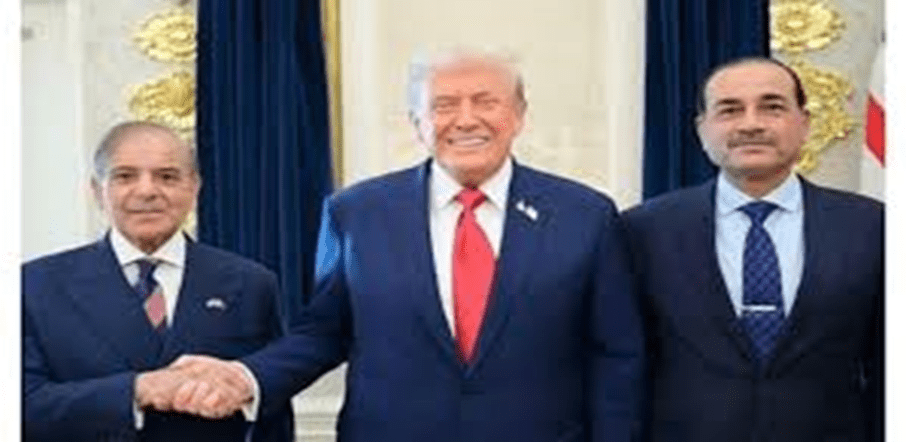
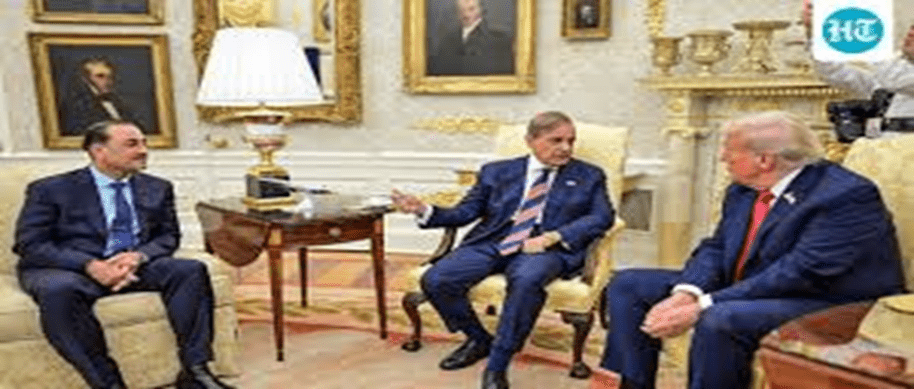
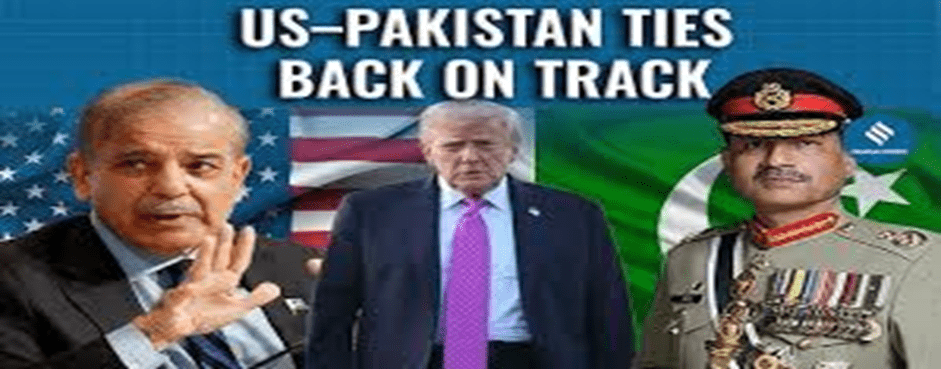
Trump engages with Asim Munir and Shehbaz Sharif: What should be India’s response?
Regardless of General Munir’s efforts to portray Pakistan as an equal to India, the truth remains starkly different: India’s GDP is almost ten times greater, and this disparity is increasing, not just in economic terms but also regarding global standing. India must remain focused on the broader perspective.
Understanding the Context and Potential Motivations
Firstly, it’s crucial to analyse the potential motivations behind such a meeting. For Pakistan, engaging with a figure like Donald Trump, even as a former president, could be an attempt to:
- Regain US Attention and Leverage: Pakistan has historically sought to maintain a close relationship with the US. A meeting with Trump could be an effort to re-establish lines of communication, especially given the perceived cooling of ties under the current US administration.
- Signal Regional Importance: By meeting with a prominent American political figure, Pakistan might aim to underscore its continued relevance in regional security matters, particularly concerning Afghanistan and counter-terrorism.
- Influence Future US Policy: If Trump were to run for and win the presidency again, an early engagement could be an attempt to shape his administration’s policy towards Pakistan and the broader South Asian region.
For Donald Trump, motivations could include:
Maintaining International Relevance: As a former president, engaging with global leaders allows him to maintain a profile on the international stage.
- Exploring Potential Future Policy: Such meetings could be part of a broader diplomatic outreach, laying the groundwork for potential foreign policy approaches if he were to return to office.
- Business Interests: While less likely to be the primary driver of such high-level diplomatic engagement, personal or business interests cannot be entirely ruled out, given Trump’s past.
India’s Immediate and Long-Term Reactions
India’s reaction should be multi-dimensional, balancing immediate diplomatic responses with long-term strategic adjustments.
1. Diplomatic Channels and Intelligence Gathering:
- Active Monitoring: India’s intelligence agencies would need to meticulously gather information on the nature and substance of the discussions. The focus would be on understanding any potential shifts in US policy towards Pakistan, especially concerning Kashmir, terrorism, and defense cooperation.
- Quiet Diplomacy with the US: New Delhi should engage discreetly with the current US administration to seek clarity and reiterate its concerns regarding any potential US-Pakistan rapprochement that could undermine India’s security interests. This would involve emphasizing Pakistan’s continued support for cross-border terrorism.
- Engagement with Key US Stakeholders: Beyond the administration, India should actively engage with think tanks, congressional leaders, and influential policy circles in the US to present its perspective and counter any narratives that might be detrimental to Indian interests.
2. Strengthening Bilateral and Multilateral Partnerships:
- Reinforcing US-India Strategic Partnership: Regardless of the outcome of a Trump-Pakistan meeting, India must continue to strengthen its strategic partnership with the US. This includes progressing on defense deals, technology transfers, and collaboration in areas like the Indo-Pacific. The aim is to make the US-India relationship indispensable, irrespective of who occupies the White House.
- Diversifying Partnerships: India should redouble efforts to diversify its strategic partnerships with other global powers like France, Germany, Japan, Australia (through the Quad), and Russia. This diversification reduces reliance on any single power and provides India with greater strategic autonomy.
- Regional Cooperation: Strengthening regional groupings like BIMSTEC and promoting greater connectivity and economic integration in South Asia can provide India with more leverage and reduce Pakistan’s ability to isolate India.
3. Enhancing National Security and Defense Preparedness:
- Vigilance on Western Borders: India must maintain an elevated state of vigilance along its western borders, given the perennial threat of cross-border terrorism. Any renewed US-Pakistan engagement could potentially embolden Pakistan’s military establishment.
- Counter-Terrorism Strategy: India’s robust counter-terrorism strategy needs to remain unwavering. This includes both overt and covert operations to neutralize threats and dismantle terrorist infrastructure.
- Defense Modernization: Continued focus on defense modernization and indigenous production is crucial to ensuring India’s security in a complex geopolitical environment.
4. Economic and Soft Power Diplomacy:
- Economic Strength: A strong and growing Indian economy is India’s most potent geopolitical tool. Continued economic reforms and growth will enhance India’s global standing and attractiveness as a partner.
- Soft Power Projection: India should continue to leverage its soft power through cultural diplomacy, yoga, and its democratic values to present itself as a responsible and attractive global player.
Conclusion
A hypothetical meeting between Donald Trump, Asim Munir, and Shehbaz Sharif would undoubtedly be a significant development for India. While such an event would warrant serious attention, India’s reaction should be measured, strategic, and forward-looking. Instead of reacting with panic, India must use this as an opportunity to reinforce its own strengths – its growing economy, robust defense capabilities, and a network of diverse international partnerships. The goal should be to ensure that no external engagement, regardless of its participants, can fundamentally undermine India’s national interests and its trajectory as a leading global power. India’s diplomatic agility, strategic foresight, and continued focus on its comprehensive national power will be key to navigating such complex geopolitical scenarios.
UPSC mains exam question based on the provided topic:
GS Paper-II: International Relations: India and its neighborhood- relations; Bilateral, regional and global groupings and agreements involving India and/or affecting India’s interests; Effect of policies and politics of developed and developing countries on India’s interests, Indian diaspora.
GS Paper-III: Economy & Security: Indian Economy and issues relating to planning, mobilization of resources, growth, development, and employment; Security challenges and their management in border areas; linkages of organized crime with terrorism.
Question 1: “A hypothetical meeting between former US President Donald Trump and Pakistan’s military and political leadership could signal a recalibration of US policy towards South Asia, irrespective of the current US administration’s stance.” In light of the above statement, analyse the potential implications of such an engagement for India’s national security interests and regional strategic balance. Discuss the immediate diplomatic and security measures India should consider taking. (15 Marks, 250 Words)
Question 2: “While external engagements involving Pakistan and a prominent US political figure demand India’s attention, New Delhi’s long-term response must focus on strengthening its comprehensive national power and strategic autonomy rather than solely reacting to external events.” Critically examine this perspective. What are the key elements of India’s ‘comprehensive national power’ that need to be further consolidated, and how can they contribute to enhancing India’s strategic autonomy in a dynamic geopolitical environment? (15 Marks, 250 Words)
(Source – Indian Express)