
Its emphasis on confidentiality is likely to cause more damage than benefit, particularly since the absence of transparency regarding due processes was a significant issue for civil society advocates
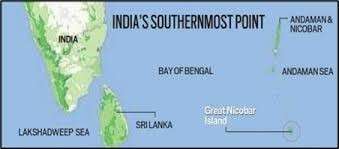
- Geostrategic Location: Great Nicobar Island’s proximity to the Strait of Malacca, a chokepoint through which a significant portion of global trade and energy passes, is its greatest asset. The project will allow India to exert influence and enhance maritime domain awareness in this critical sea lane of communication.
- Countering Regional Influence: The development serves as a strategic counterweight to China’s increasing presence in the Indian Ocean Region (IOR) through its ‘String of Pearls’ strategy. A powerful naval and air base here strengthens India’s posture as a ‘Net Security Provider’ in the region.
- Economic Competitiveness: The ICTT aims to capture a share of the trans-shipment cargo currently handled by hubs like Colombo, Singapore, and Port Klang in Malaysia. This would save Indian foreign exchange, reduce logistics costs for Indian trade, and generate significant economic activity and employment.
- Boosting ‘Act East’ Policy: The project provides a logistical and connectivity springboard for deeper engagement with ASEAN and other Indo-Pacific nations, giving tangible heft to India’s ‘Act East’ Policy.
- Hasty Clearances: The swiftness with which environmental, forest, and coastal regulation zone clearances were granted has raised questions about the robustness of the assessment process. Critics argue that the due diligence process may have been compromised in the pursuit of rapid implementation.
- Lack of Public Scrutiny: The Environmental Impact Assessment (EIA) report has been criticized for its data opacity and for allegedly downplaying the project’s ecological impact. Meaningful public consultation, a cornerstone of democratic governance, has been reportedly inadequate.
- Biodiversity Hotspot: The Great Nicobar Island is a designated UNESCO Biosphere Reserve, home to exceptional biodiversity. The project necessitates the felling of nearly a million trees in pristine tropical rainforests.
- Threat to Endemic Species: It poses a direct threat to endemic and endangered species, including the nesting grounds of the Giant Leatherback turtle in Galathea Bay (the site of the proposed port), the Nicobar Megapode, and the Saltwater Crocodile.
- Marine Ecosystem Damage: Dredging and port construction will cause irreversible damage to coral reefs, which are critical marine habitats and act as natural barriers against tsunamis.
- Threat to PVTGs: The island is home to two Particularly Vulnerable Tribal Groups (PVTGs) – the Shompen and the Nicobarese. The project, with its massive influx of population and construction activity, could lead to their cultural assimilation, displacement, and demographic marginalisation.
- Violation of Rights: There are serious concerns about the potential violation of their rights guaranteed under the Constitution and the Forest Rights Act, 2006. The principle of Free, Prior, and Informed Consent (FPIC) appears to have been inadequately addressed.
- Enhance Transparency: All project-related documents, including impact assessments and clearance conditions, should be placed in the public domain for independent scrutiny. An empowered, independent body should be established to monitor compliance.
- Prioritise Tribal Welfare: The rights and consent of the Shompen and Nicobarese tribes must be treated as non-negotiable. The National Commission for Scheduled Tribes (NCST) and anthropologists must be deeply involved to create insulated zones and ensure their well-being is not compromised.
- Adopt Phased & Eco-friendly Implementation: The government should consider a phased development model, starting with a smaller, less-intrusive footprint. Utilising cutting-edge green technologies for construction and operations can help mitigate environmental damage.
- Strengthen Legal Safeguards: The conditions laid down by the Ministry of Environment, Forest, and Climate Change must be enforced rigorously, with a zero-tolerance policy for violations.