
The blending of ethanol into fuel is a positive development; however, challenges associated with the transition still persist
From the perspective of the consumer, the transition required more effective management
Introduction
The government’s steadfast commitment to ethanol blending in fuel has been widely hailed as a progressive step, aligning India with global efforts towards sustainable energy and reduced carbon emissions. With ambitious targets like E20 (20% ethanol blend) on the horizon, the move promises a multi-pronged benefit, from enhanced energy security to bolstered agricultural incomes. However, as with any transformative policy, the transition is not without its intricate challenges, demanding meticulous planning and concerted efforts to ensure a smooth and equitable shift.
The Rationale: A Green and Economically Sound Strategy
The impetus behind ethanol blending is clear and compelling. India, a significant crude oil importer, spends a substantial portion of its foreign exchange on energy needs. Blending ethanol, a domestically produced biofuel, directly addresses this vulnerability by reducing reliance on imported fossil fuels. This translates into considerable savings in foreign exchange and bolsters the nation’s energy security, making it less susceptible to volatile global oil prices.
Environmentally, ethanol burns cleaner than pure petrol, leading to a reduction in greenhouse gas emissions and particulate matter, thereby contributing to improved air quality. This aligns perfectly with India’s climate commitments and its broader agenda for sustainable development.
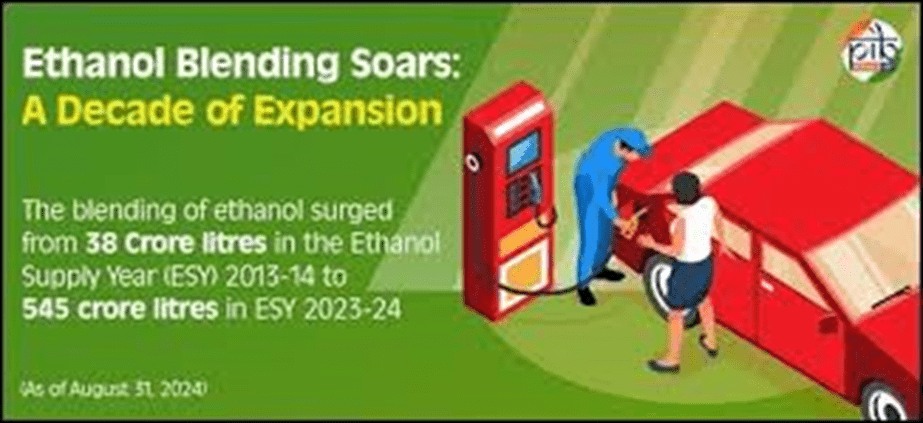
Furthermore, ethanol production, primarily from sugarcane and surplus food grains like maize and rice, offers a crucial economic lifeline to farmers. It provides an assured market for their produce, diversifying their income streams and mitigating the risks associated with price fluctuations in traditional agricultural commodities. The setting up of new distilleries and ancillary industries also stimulates rural employment, fostering regional economic growth. The significant progress towards achieving E10 (10% ethanol blend) and the steady push towards E20 are testaments to the government’s resolve in realizing these benefits.
Navigating the Transition: Persistent Challenges
Despite the undeniable advantages, the path to widespread ethanol blending is fraught with hurdles that necessitate immediate and strategic intervention.
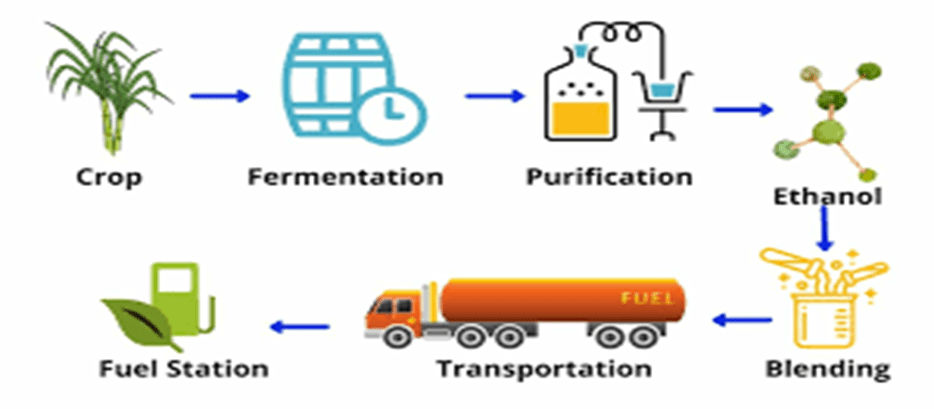
- Feedstock Availability and Diversification: The current primary feedstock for ethanol in India is sugarcane. While efficient, an over-reliance on a single crop can be precarious, especially in the face of erratic monsoons and climate change impacts. Diversifying feedstock to include other crops like maize, rice, and even second-generation ethanol from agricultural waste is crucial for ensuring a stable and sustainable supply. This requires substantial investment in research and development for efficient conversion technologies and robust procurement mechanisms.
- 2. Infrastructure and Logistics: The existing infrastructure for storing, transporting, and distributing ethanol needs significant upgrading and expansion. Dedicated pipelines, blending facilities, and storage tanks are essential to handle the increased volumes of ethanol required for E20 and beyond. The logistical challenges of transporting ethanol from production hubs to consumption centers across the vast geographical expanse of India are considerable and demand innovative solutions.
- 3. Vehicle Compatibility and Upgradation: While newer vehicles are designed to handle E10 and increasingly E20, a significant portion of the existing vehicle fleet may not be fully compatible, leading to potential engine issues and reduced performance. Retrofitting older vehicles or providing incentives for their replacement are critical considerations. Awareness campaigns and clear communication to consumers about vehicle compatibility are also essential to prevent apprehension and ensure smooth adoption.
- 4. Economic Viability and Pricing Mechanisms: Ensuring a fair and remunerative price for ethanol to distillers, while simultaneously keeping fuel prices affordable for consumers, is a delicate balancing act. Fluctuations in sugarcane prices and other feedstock costs can impact the economic viability of ethanol production. Stable pricing policies, along with appropriate subsidies and incentives, are crucial to attract private investment in the ethanol sector and ensure its sustained growth.
- 5. Water Footprint and Environmental Concerns: While cleaner burning, ethanol production, particularly from sugarcane, can be water-intensive. Sustainable agricultural practices, efficient water management techniques in distilleries, and the exploration of less water-intensive feedstock options are imperative to address potential environmental concerns and ensure the long-term sustainability of the program.
- 6. Policy Consistency and Long-Term Vision: A consistent and predictable policy framework is vital to instill confidence among investors and stakeholders. Frequent changes or uncertainties in policy can deter investment and hinder the progress of the blending program. A clear long-term vision with well-defined targets and strategies is paramount for a successful transition.
The Road Ahead: A Collaborative Endeavor
India’s journey towards a cleaner and more secure energy future through ethanol blending is undeniably a welcome development. However, overcoming the inherent challenges demands a multi-pronged approach involving robust policy interventions, technological advancements, infrastructural development, and active participation from all stakeholders – government, industry, farmers, and consumers. Continued investment in research for diverse feedstock, efficient conversion technologies, and vehicle compatibility will be critical. Furthermore, fostering a robust and transparent ecosystem with predictable pricing mechanisms and incentives will be key to unlocking the full potential of ethanol blending, paving the way for a truly sustainable and self-reliant energy landscape for India.
This transition, while challenging, presents an unparalleled opportunity for India to lead by example in the global pursuit of a greener and more energy-secure future.
UPSC mains exam question based on the provided topic:
GS-III – Indian Economy and issues relating to planning, mobilization, of resources, growth, development and employment; Infrastructure: Energy; Environmental pollution and degradation; Conservation; Science and Technology- developments and their applications and effects in everyday life.
GS-III – Indian Economy and issues relating to planning, mobilization, of resources, growth, development and employment; Infrastructure: Energy; Science and Technology- developments and their applications and effects in everyday life; Environmental pollution and degradation; Conservation.
Question 1. “Ethanol blending in fuel offers a multi-pronged solution to India’s energy security, environmental sustainability, and agricultural challenges. However, the path to achieving ambitious blending targets is fraught with significant infrastructural and socio-economic hurdles.” Critically analyse this statement in the context of India’s current ethanol blending program, highlighting both its potential and the major challenges that need to be addressed for its successful implementation. (15 Marks, 250 words)
Question 2. Discuss the role of feedstock diversification and technological advancements in overcoming the challenges associated with India’s ethanol blending program. What policy measures are imperative to ensure a stable supply chain and sustainable production? (10 Marks, 150 words)
(Source – Business Standard)