
There cannot exist varying environmental standards throughout India
Synopsis: The recent article in The Hindu titled “Smoke and sulphur: On sulphur dioxide emissions, public health” (14 July 2025) brings to light India’s persistent struggle with Sulphur Dioxide (SO2) pollution. Despite being the world’s largest emitter of anthropogenic SO2, India’s progress in curbing these emissions, primarily from coal-fired power plants, remains alarmingly slow. This issue lies at the critical intersection of energy security, economic development, environmental degradation, and public health, demanding urgent and comprehensive policy intervention.
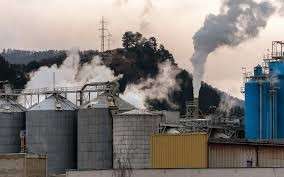
- Acid Rain: SO2 is a primary precursor to acid rain. When it reacts with water and other chemicals in the atmosphere, it forms sulphuric acid, which then falls to the earth. This damages forests, acidifies lakes and streams, harming aquatic life, and corrodes buildings, including heritage monuments like the Taj Mahal.
- Air Quality Degradation: SO2 contributes significantly to the formation of secondary Particulate Matter (PM2.5), which is a major component of haze and smog. This reduces visibility and is a key factor in the severe air pollution episodes witnessed across Indian cities, particularly during winter.
- Soil and Ecosystem Damage: Acid deposition can leach essential nutrients like calcium and magnesium from the soil, hindering crop growth and affecting terrestrial ecosystems.
- Respiratory Illnesses: SO2 is a potent respiratory irritant that can cause inflammation of the respiratory tract, aggravating conditions like asthma and chronic bronchitis. Short-term exposure can lead to breathing difficulties, while long-term exposure can permanently impair lung function.
- Formation of PM2.5: The secondary PM2.5 particles formed from SO2 are small enough to penetrate deep into the lungs and enter the bloodstream. This is linked to a range of severe health outcomes, including cardiovascular diseases, strokes, lung cancer, and premature death.
- Vulnerable Populations: Children, the elderly, and individuals with pre-existing heart or lung conditions are disproportionately affected, making SO2 pollution a grave issue of public health equity.
- Delayed Implementation: The Ministry of Environment, Forest and Climate Change (MoEFCC) had mandated the installation of Flue Gas Desulphurisation (FGD) systems in thermal power plants back in 2015, with an initial deadline of 2017.
- Repeated Deadline Extensions: This deadline has been repeatedly pushed back, with the latest timelines now staggered until 2026. This indicates a lack of regulatory will and susceptibility to industry pressure.
- Weak Enforcement: The penalty mechanism for non-compliance has been lenient and poorly enforced, creating little incentive for power producers to invest in pollution control technology. The ‘polluter pays’ principle remains weak in practice.
- Cost of Inaction: The economic costs of SO2 pollution are immense. They include increased healthcare expenditure on pollution-related diseases, loss of productivity due to illness, and damage to agriculture and infrastructure from acid rain. These externalized costs far outweigh the costs of mitigation.
- Cost of Technology: Power companies cite the high capital cost of installing FGDs as a primary barrier. While the investment is significant, it is a necessary operational cost for ensuring clean and responsible energy production.
- Energy Security vs. Environmental Health: The debate is often framed as a choice between affordable electricity and a healthy environment. This is a false dichotomy; sustainable development requires integrating environmental costs into economic decision-making.
- Strict Enforcement of Norms: The government must adhere to the latest deadlines without further extensions. A stringent and transparent penalty system, linked to the duration of non-compliance, should be enforced.
- Facilitating Technological Adoption: Provide policy and financial mechanisms, such as viability gap funding or “green bonds,” to help power plants install FGD technology. Promoting indigenous manufacturing of FGD components can also reduce costs.
- Strengthening Monitoring: The Continuous Emission Monitoring Systems (CEMS) must be made more robust, and the data should be publicly accessible in real-time to ensure transparency and accountability.
- Accelerating the Energy Transition: The ultimate solution lies in reducing dependence on coal. India must aggressively pursue its renewable energy targets, particularly in solar and wind power, to phase out old, inefficient, and polluting thermal power plants.
- Pre-combustion Solutions: Investing in coal washing and blending with low-sulphur coal can reduce SO2 emissions at the source, and should be made mandatory.