
Significant reforms: The proposed power legislation has the potential to transform the industry
Most importantly, the amendments suggest permitting distribution licensees to provide power via shared networks
Context: The Indian electricity sector, a critical pillar of economic growth, has long grappled with structural inefficiencies, financial distress, and a complex regulatory landscape. The proposed amendments to the Electricity Act, 2003, as outlined in the Draft Electricity (Amendment) Bill, 2025, aim to address these deep-rooted issues and usher in a new era of efficiency, competition, and consumer empowerment. This article delves into the various dimensions of these high-voltage reforms, analysing their potential impact as a game-changer for the sector.
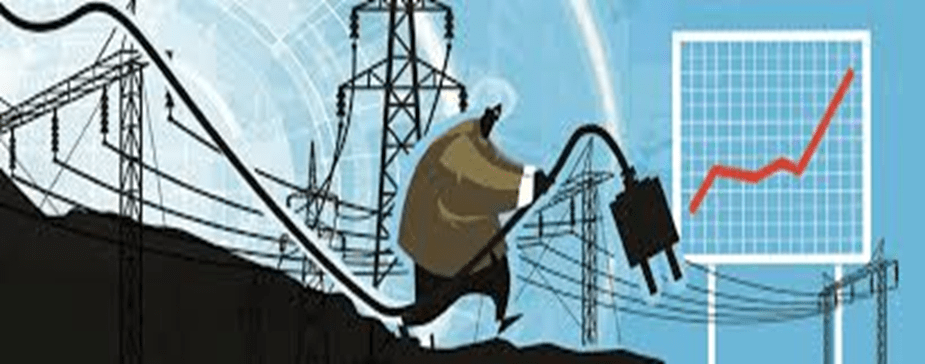
Key Provisions and Their Implications:
Deregulating Distribution and Promoting Competition:
The most significant proposed reform is the delicensing of electricity distribution. This aims to allow multiple distribution companies (discoms) to operate in the same area, fostering competition and giving consumers the power to choose their electricity supplier.
- Pros: Increased competition is expected to drive down tariffs, improve service quality, and encourage innovation in billing and customer service. It could also alleviate the financial stress on incumbent discoms by reducing their monopoly and forcing efficiency.
- Cons: Concerns exist about potential “cherry-picking” of profitable consumers by new entrants, leaving incumbent discoms with a disproportionate share of less lucrative customers and rural areas. Regulatory oversight will be crucial to ensure fair competition and universal service obligations.
Strengthening Regulatory Mechanisms:
The draft bill proposes strengthening the powers of regulatory commissions, including the Central Electricity Regulatory Commission (CERC) and State Electricity Regulatory Commissions (SERCs). This includes enhanced tariff-setting autonomy and the power to enforce compliance.
- Implications: A more robust and independent regulatory competitive market.
Payment Security and Contract Enforcement:
Addressing the chronic issue of delayed payments by discoms to generation companies (gencos), the bill emphasizes payment security mechanisms. This includes provisions for Letters of Credit (LCs) and other payment security arrangements.
- Impact: This measure is crucial for improving the financial health of gencos and encouraging further investment in generation capacity. It also aims to instill greater discipline in the payment cycle across the value chain.
Renewable Energy Promotion and Grid Integration:
The bill reinforces the government’s commitment to renewable energy by introducing provisions for a Renewable Purchase Obligation (RPO) and promoting mini and micro-grids.
- Significance: This aligns with India’s climate commitments and its ambitious renewable energy targets. Effective grid integration of renewables and the development of decentralized generation will be key to achieving energy security and sustainability.
Cross-Subsidy Rationalization:
The draft law aims to rationalize cross-subsidies, where some consumer categories pay higher tariffs to subsidize others. The goal is to move towards a cost-reflective tariff regime.
- Challenges: While economically sound, politically, this is a sensitive issue. Gradual rationalization with adequate support for vulnerable sections will be essential to mitigate social and political backlash. Direct benefit transfers could be a potential solution to support targeted beneficiaries.
Consumer Empowerment:
With provisions like the right to choose suppliers and potentially easier access to grievance redressal, the bill aims to empower electricity consumers.
- Outcome: A consumer-centric approach is vital for the long-term sustainability of the sector. Informed choices and effective grievance mechanisms will build trust and foster a more responsive service environment.
Challenges and Way Forward:
Implementing such wide-ranging reforms will not be without challenges.
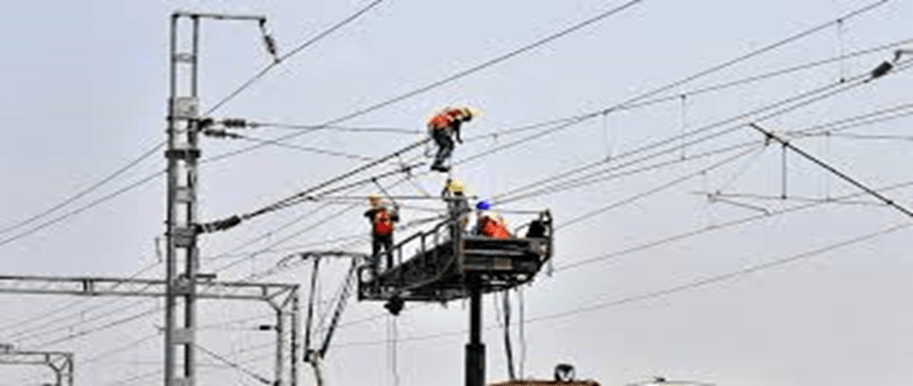
- Political Will and State Cooperation: Electricity is a concurrent subject, requiring significant cooperation between the Center and states for successful implementation.
- Transitional Issues: Managing the transition to a competitive distribution market will require careful planning to avoid disruptions and ensure grid stability.
- Financial Health of Discoms: Addressing the legacy issues and accumulated losses of existing discoms will be crucial before opening up competition.
- Regulatory Capacity: Regulatory bodies will need enhanced capacity and expertise to handle the complexities of a competitive market.
Conclusion:
The Draft Electricity (Amendment) Bill, 2025, represents a bold and much-needed step towards reforming India’s power sector. If implemented effectively and judiciously, these high-voltage reforms have the potential to be a true game-changer, transforming the sector into a more efficient, competitive, sustainable, and consumer-friendly ecosystem. The journey will be challenging, but the potential rewards—reliable, affordable, and clean electricity for all—make it a critical endeavor for India’s economic progress and energy future.
UPSC mains exam question based on the provided topic:
General Studies Paper II – Governance, Constitution, Polity, Social Justice and International relations
General Studies Paper III – Technology, Economic Development, Biodiversity, Environment, Security, and Disaster Management
Question 1. “The proposed delicensing of electricity distribution and introduction of consumer choice in the Draft Electricity (Amendment) Bill, 2025, seeks to usher in competitive federalism within India’s power sector.” Critically analyse this statement, discussing the potential benefits and challenges associated with these reforms for different stakeholders (consumers, discoms, state governments) and their implications for the cooperative federal structure of India. (250 words, 15 marks)
Question 2. “While the Draft Electricity (Amendment) Bill, 2025, aims to transform the Indian power sector through competition and regulatory strengthening, its success hinges on effectively integrating renewable energy and ensuring financial viability across the value chain.”Examine this statement in the context of India’s energy transition goals. Discuss how the proposed reforms can address the existing financial distress of distribution companies and promote greater investment in renewable energy infrastructure, while also identifying potential risks to grid stability and energy security. (250 words, 15 marks)
(Source – Business Standard)