
More significantly, the considerable differences in calorie intake between the least affluent and the most affluent have diminished notably, indicating a positive decrease in nutritional inequality
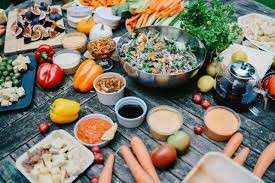
- Persistent Under–nutrition: Despite adequate calorie availability, rates of stunting (low height-for-age) and wasting (low weight-for-height) remain alarmingly high. This points to a deficit of essential micronutrients and quality macronutrients, a phenomenon known as “hidden hunger.” A diet dominated by cereals like rice and wheat provides energy but lacks the diverse nutrients required for optimal physical and cognitive development.
- Rising Over-nutrition: Simultaneously, economic growth and urbanisation have led to an increase in the consumption of cheap, energy-dense, ultra-processed foods. This has resulted in a surge in non-communicable diseases (NCDs) like obesity, diabetes, and hypertension, even among lower-income groups. This paradox of coexisting under- and over-nutrition highlights that mere calorie access is not the solution; the quality of those calories is paramount.
- Increasing Consumption: Indian diets are often protein-deficient. The average per capita protein consumption is below the recommended dietary allowance, and a significant portion comes from cereals, which have lower biological value compared to other sources.
- Animal-based Proteins: Promoting affordable access to milk, eggs, and fish, which are complete proteins. Schemes like providing eggs in Mid-Day Meals are steps in this direction.
- Plant-based Proteins: Encouraging the cultivation and consumption of a wider variety of pulses, legumes, nuts, and oilseeds.
- Millets (Shree Anna): Millets are not only climate-resilient but also rich in protein and micronutrients. Integrating them into the Public Distribution System (PDS) and public awareness campaigns is vital.
- Reform the PDS: Evolve the PDS from a cereal-based system to a more diverse food basket system by including millets, pulses, and fortified edible oils.
- Strengthen Nutrition-Sensitive Schemes: Enhance the nutritional components of POSHAN Abhiyaan, Mid-Day Meal Scheme, and ICDS by focusing on dietary diversity and protein adequacy.
- Food Fortification: Mandate the fortification of staples like rice and salt with iron, folic acid, and iodine to combat micronutrient deficiencies.
- Information, Education, and Communication (IEC): Launch nationwide campaigns on the concept of a balanced ‘thali’ (plate), emphasising the importance of all food groups, particularly protein.
- Regulation: Implement clear front-of-pack labelling to discourage the consumption of foods high in fat, sugar, and salt.
- Environmental Sustainability: The protein shift must be environmentally conscious. Promoting plant-based proteins and millets, which have a lower carbon and water footprint than large-scale animal agriculture, aligns nutritional goals with climate objectives.