
Although cereals remain the primary source of protein for households, their proportion in the total protein distribution is decreasing
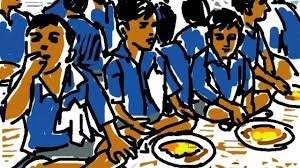
- The Persistence of Under-nutrition: Despite economic growth, metrics like stunting (low height-for-age) and wasting (low weight-for-height) remain alarmingly high, as indicated by data from NFHS-5. Stunting in early childhood leads to irreversible cognitive and physical damage, perpetuating a cycle of poverty and under-productivity across generations.
- The Pervasiveness of “Hidden Hunger”: Micronutrient deficiency is a silent epidemic. Rampant iron-deficiency anemia, particularly among women and children, severely impacts maternal health, birth outcomes, and the nation’s work capacity. Similarly, deficiencies in Vitamin A, zinc, and iodine affect immunity and overall development, undermining the potential of a large section of our population.
- The Rise of Over-nutrition: The paradox is completed by the growing challenge of obesity and overweight, especially in urban and semi-urban areas. This “nutrition transition,” driven by a shift towards processed foods high in fat, sugar, and salt, is fueling an epidemic of non-communicable diseases (NCDs) like diabetes and hypertension, straining our healthcare system.
- Agricultural Policy and Dietary Diversity: The legacy of the Green Revolution, while ensuring food security, has led to a focus on staple grains like rice and wheat at the expense of millets, pulses, and vegetables, thereby reducing dietary diversity.
- Socio-economic and Gender Disparities: Poverty remains the biggest barrier, limiting the purchasing power of households to afford a nutritious diet. Furthermore, deep-rooted gender norms often result in women and girls eating last and least, making them the most vulnerable.
- Implementation Gaps in Welfare Schemes: While India has robust programmes like the ICDS, PM-POSHAN (Mid-Day Meal Scheme), and the PDS, they are often plagued by issues of last-mile delivery, leakages, quality control, and lack of awareness.
- Poor Sanitation and Hygiene: Inadequate access to safe drinking water and sanitation (WASH) leads to frequent infections, which inhibit the body’s ability to absorb vital nutrients, creating a vicious cycle of malnutrition and disease.
- POSHAN Abhiyaan (National Nutrition Mission): A comprehensive, technology-driven mission aimed at reducing stunting, wasting, and anemia in a time-bound manner through convergence, monitoring, and behavioural change.
- Anemia Mukt Bharat: A targeted strategy to combat anemia by strengthening iron-folic acid supplementation and promoting dietary diversity.
- Food Fortification: Mandatory fortification of rice and promoting fortified edible oils and salt to address micronutrient deficiencies at a mass scale.
- Promotion of Millets: The celebration of the International Year of Millets (2023) and subsequent policy pushes aim to bring these “nutri-cereals” back into the mainstream diet.
- Strengthening Convergence: Ensure seamless coordination between ministries—Women & Child Development, Health, Agriculture, Education, and Jal Shakti—to create a unified front against malnutrition.
- Promoting ‘Nutri-Farms’ over ‘Grain-Farms’: Reorient agricultural policies to incentivize the cultivation of diverse crops, including millets, pulses, fruits, and vegetables, and link them directly to local markets and nutrition schemes.
- Intensifying Behavioural Change Communication (BCC): Launch sustained, hyper-local campaigns focusing on the importance of the first 1000 days of a child’s life, dietary diversity, breastfeeding, and hygiene practices.
- Leveraging Technology for Governance: Enhance the use of tools like the POSHAN Tracker for real-time monitoring of service delivery at Anganwadi centres, ensuring transparency and accountability.
- Addressing Gender Inequality: Empowering women through education, economic opportunities, and decision-making power is crucial, as their well-being is directly linked to the nutritional status of the entire family.