
In 2025, renewable energy has made significant progress. The challenge now is to maintain this growth
The Ember report on the global power sector highlights that numerous developing nations encounter limitations related to capital and capacity, and that assistance from established economies is crucial to accelerate the transition to technology
Context: The year 2025 marked a significant turning point for India’s renewable energy sector, witnessing unprecedented growth and a clear shift towards a sustainable energy future. While this momentum is commendable, the real challenge now lies in sustaining this growth and addressing the inherent complexities that come with a rapidly transforming energy landscape.
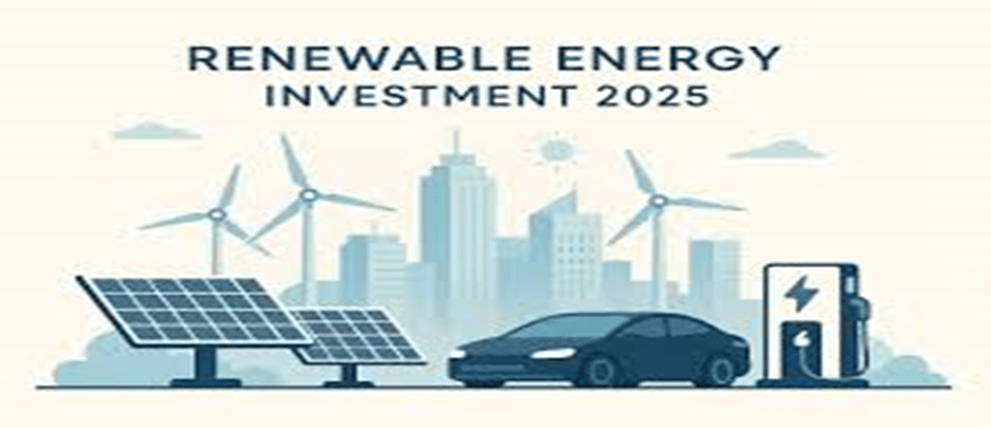
Introduction: India’s commitment to renewable energy has been a cornerstone of its climate change mitigation strategy and energy security goals. The accelerated adoption witnessed in 2025, driven by ambitious government policies, declining technology costs, and increasing private sector investment, has positioned India as a global leader in the clean energy transition. This surge, however, also brings to the forefront critical issues that need strategic and sustained attention to ensure continued progress.
Dimensions of Growth in 2025:
- Capacity Addition: 2025 saw record-breaking installations in solar and wind power. Large-scale solar parks, rooftop solar initiatives, and offshore wind projects significantly boosted the national grid’s green energy contribution. This was facilitated by streamlined clearances and competitive bidding processes.
- Technological Advancements & Cost Reduction: Innovations in solar panel efficiency, battery storage solutions, and wind turbine technology continued to drive down costs, making renewable energy increasingly competitive with conventional fossil fuels.
- Policy Support: Government initiatives like production-linked incentive (PLI) schemes for solar manufacturing, expanded renewable purchase obligations (RPOs) for states, and the green hydrogen mission made substantial headway. These policies provided a stable and attractive environment for investment.
- Decentralized Energy Solutions: The proliferation of mini-grids and off-grid solar solutions has empowered remote communities, contributing to energy access and socio-economic development.
- Green Financing: Both domestic and international financial institutions showed increased appetite for green bonds and climate finance, injecting much-needed capital into the sector.
Challenges in Sustaining Growth:
Despite the impressive progress, several challenges need to be addressed to ensure the long-term sustainability of India’s renewable energy journey:

- Grid Integration and Stability: Integrating a high proportion of intermittent renewable energy sources into the national grid remains a complex task. Ensuring grid stability, managing demand-supply fluctuations, and upgrading transmission infrastructure are crucial. This requires advanced forecasting, smart grid technologies, and flexible generation sources.
- Energy Storage Solutions: The variability of solar and wind power necessitates robust energy storage solutions. While battery storage costs are declining, scaling up deployment to meet grid-level requirements and reduce reliance on fossil fuel-based peaking power plants is a significant financial and technological challenge.
- Land Acquisition and Environmental Concerns: Large-scale renewable energy projects, particularly solar and wind farms, require substantial land. This often leads to challenges in land acquisition, potential conflicts with local communities, and ecological impact assessments, particularly in biodiversity-rich areas.
- Manufacturing and Supply Chain Dependence: While domestic manufacturing for solar panels and wind turbines is growing, India still relies on imports for critical components and raw materials. Building a self-reliant and resilient supply chain is vital for long-term energy security and economic benefits.
- Financing and Investment Gaps: Despite increased interest, the sheer scale of investment required to meet India’s ambitious renewable energy targets is enormous. Attracting consistent and affordable long-term financing, especially for emerging technologies like green hydrogen and offshore wind, remains a hurdle.
- Human Capital and Skill Development: The rapid expansion of the sector demands a skilled workforce for installation, operation, maintenance, and research and development. Bridging the skill gap through vocational training and educational programs is essential.
- Policy Consistency and Regulatory Framework: While policies have been supportive, ensuring long-term policy consistency, predictable regulatory frameworks, and addressing inter-state issues are crucial for investor confidence.
- Discom Health and Payment Security: The financial health of state electricity distribution companies (Discoms) continues to be a concern. Delayed payments to renewable energy generators undermine project viability and deter further investment.
Way Forward:
To sustain the 2025 momentum, a multi-pronged strategy is required:
- Grid Modernization: Invest heavily in smart grid technologies, advanced forecasting, and demand-side management to enhance grid flexibility and resilience.
- Accelerated Storage Deployment: Incentivize domestic manufacturing and deployment of battery storage, pumped hydro, and other viable storage technologies.
- Sustainable Land Use Planning: Develop comprehensive land use policies that balance renewable energy development with environmental conservation and community interests.
- Strengthening Domestic Manufacturing: Boost indigenous manufacturing of the entire renewable energy value chain through R&D support, PLI schemes, and skill development.
- Innovative Financing Mechanisms: Explore blended finance, green bonds, and international collaborations to mobilize capital effectively.
- Capacity Building: Focus on developing a skilled workforce through specialized training programs and educational initiatives.
- Reforming Discoms: Implement structural reforms to improve the financial health and operational efficiency of Discoms, ensuring timely payments and a conducive environment for renewable energy integration.
- Regional and International Cooperation: Collaborate on technology transfer, shared best practices, and cross-border energy grids.
Conclusion:
The achievements of 2025 have laid a robust foundation for India’s renewable energy future. The challenge is no longer merely about adding capacity, but about sustainably integrating, managing, and financing a fundamentally transformed energy system. By strategically addressing the identified challenges, India can not only sustain its impressive growth but also solidify its position as a global leader in the equitable and sustainable energy transition, driving both economic prosperity and environmental stewardship.
UPSC mains exam question based on the provided topic:
GS Paper 3: Indian Economy and issues relating to planning, mobilization of resources, growth, development, and employment.
- Infrastructure: Energy, Ports, Roads, Airports, Railways, etc.
- Conservation, environmental pollution and degradation, and environmental impact assessment.
- Science and Technology– developments and their applications and effects in everyday life.
Question 1: “The year 2025 marked a watershed moment for India’s renewable energy sector, witnessing unprecedented growth. However, this momentum has brought to the fore critical challenges related to grid stability, energy storage, and land acquisition.” In light of the above statement, critically analyse the strategies India needs to adopt to sustain its renewable energy growth trajectory while ensuring energy security and environmental sustainability. (15 Marks, 250 words)
Question 2: “Despite significant strides in renewable energy capacity addition in 2025, India’s ambitions are constrained by challenges in domestic manufacturing, financing mechanisms, and the financial health of power distribution companies (Discoms).”Examine these constraints and suggest comprehensive policy measures to foster a self-reliant and financially viable renewable energy ecosystem in India. (10 Marks, 150 words)
(Source – Indian Express)