
Fatalities in Madhya Pradesh attributed to counterfeit cough syrups highlight significant regulatory shortcomings
India’s pharmaceutical sector has established itself as the ‘pharmacy of the world’. However, its regulatory frameworks do not adequately reflect this status
Introduction
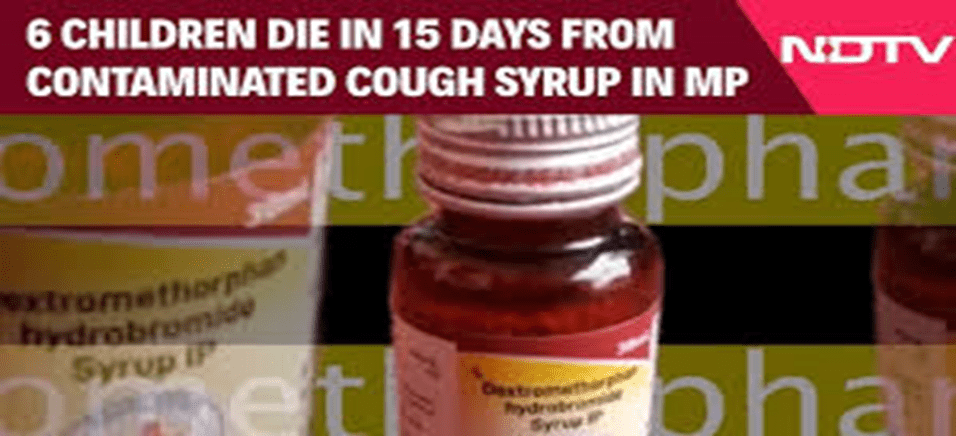
The tragic deaths of several individuals in Madhya Pradesh, reportedly due to the consumption of spurious cough syrups, serve as a chilling reminder of the persistent and grave regulatory deficits plaguing India’s pharmaceutical sector. This incident, highlighted by The Indian Express on October 7, 2025, is not an isolated event but a symptom of deeper systemic failures that endanger public health and erode trust in vital medical supplies.

Governance and Regulatory Oversight: A Critical Lacuna
At the heart of the problem lies a fragmented and often ineffective regulatory framework. India’s drug regulatory system, primarily governed by the Drugs and Cosmetics Act, 1940, and rules thereunder, is administered by both central (CDSCO) and state drug control organizations. The MP tragedy underscores a fundamental breakdown in this shared responsibility.
- Weak Enforcement and Insufficient Manpower: State drug controllers are often understaffed, lacking the necessary technical expertise and resources to conduct regular inspections, collect samples, and prosecute offenders effectively. This creates a fertile ground for unscrupulous manufacturers to operate with impunity.
- Manufacturing and Licensing Loopholes: The licensing process itself can be vulnerable to corruption or inadequate scrutiny, allowing substandard or illegal units to obtain or operate without proper authorization. The case points to potential failures in vetting manufacturers and ensuring compliance with Good Manufacturing Practices (GMP).
- Inter-State Coordination Challenges: Spurious drugs often traverse state lines, making effective enforcement reliant on robust inter-state coordination, which is frequently lacking. A cough syrup manufactured in one state could easily be distributed and cause harm in another.
- Lack of Advanced Testing Facilities: Many state drug laboratories are ill-equipped to conduct sophisticated tests for adulteration and contamination, leading to delays or an inability to detect harmful substances.
Public Health Implications: A Direct Threat to Life
The most immediate and devastating consequence is the loss of innocent lives. Spurious cough syrups, often containing toxic substances like diethylene glycol or ethylene glycol instead of permissible solvents, can cause acute kidney failure, neurological damage, and death.

- Erosion of Public Trust: Such incidents severely damage public trust in the healthcare system and pharmaceutical products, potentially leading people to avoid necessary medications or resort to unverified alternatives.
- Increased Morbidity and Mortality: Beyond fatalities, the consumption of contaminated drugs can lead to long-term health complications and disabilities, burdening an already stretched public health infrastructure.
- Antimicrobial Resistance (AMR) Concerns: While not directly linked to this specific incident, the proliferation of substandard drugs (including antibiotics) can contribute to AMR by delivering sub-therapeutic doses, fostering drug-resistant pathogens.
Economic Dimensions: A Vicious Cycle
The spurious drug trade has significant economic ramifications, both overt and hidden.
- Loss to Legitimate Industry: Counterfeit products undercut legitimate pharmaceutical companies, impacting their sales, reputation, and willingness to invest in quality and research.
- Healthcare Costs: Treating victims of spurious drugs imposes additional financial burdens on families and the public health system.
- Black Market Economy: The illicit trade in spurious drugs fuels a dangerous black market, often controlled by criminal networks, contributing to tax evasion and a parallel economy.
Ethical and Societal Considerations: A Moral Imperative
The manufacturing and distribution of spurious drugs represent a profound ethical failing.
- Violation of Fundamental Rights: Access to safe and effective medicines is a fundamental component of the right to health. The presence of spurious drugs directly violates this right.
- Accountability and Justice: Ensuring accountability for those responsible – from manufacturers to distributors and negligent regulators – is crucial for justice and deterring future offenses.
- Consumer Awareness: There is a need for greater public awareness about identifying genuine medicines and reporting suspicious products, although this should not absolve regulators of their primary responsibility.
The Way Forward: Towards a Robust Regulatory Ecosystem
Addressing these grave deficits requires a multi-pronged, concerted effort:
Strengthening Regulatory Bodies:
- Enhanced Manpower and Training: Significantly increase the number of drug inspectors and equip them with advanced training in drug analysis, investigation, and legal procedures.
- Modernizing Laboratories: Upgrade state drug testing laboratories with cutting-edge equipment and skilled personnel to detect a wider range of contaminants.
- Independent Audits: Implement a system of independent audits of manufacturing units and regulatory processes.
- Digitization and Data Analytics: Leverage technology for real-time tracking of drug manufacturing, distribution, and supply chains to identify anomalies.
Stricter Enforcement and Penalties:
- Expedited Legal Processes: Fast-track cases related to spurious drugs to ensure swift justice and effective deterrence.
- Heavier Penalties: Review and enhance penalties for manufacturing and selling spurious drugs to make them a genuine deterrent.
- Enhanced Surveillance: Implement robust intelligence gathering and surveillance mechanisms to identify clandestine manufacturing units.
Improving Inter-Agency Coordination:
- Joint Task Forces: Establish dedicated inter-state and inter-agency task forces involving drug control, police, and intelligence agencies to dismantle spurious drug networks.
- Information Sharing: Create a seamless information-sharing platform between central and state drug control bodies.
Promoting Transparency and Accountability:
- Public Disclosure: Regularly publish inspection reports and details of actions taken against errant manufacturers.
- Whistleblower Protection: Implement strong whistleblower protection mechanisms for those who report illegal drug activities.
Consumer Empowerment:
- Awareness Campaigns: Launch extensive public awareness campaigns on identifying genuine drugs, the risks of self-medication, and how to report suspicious products.
- Pharmacovigilance: Strengthen pharmacovigilance programs to encourage reporting of adverse drug reactions, including those suspected to be from substandard drugs.
The deaths in Madhya Pradesh are a wake-up call that must not be ignored. India’s ambition to be the “pharmacy of the world” cannot be realized if its own citizens fall victim to a compromised drug supply. A fundamental overhaul of the regulatory landscape, coupled with rigorous enforcement and ethical governance, is imperative to safeguard public health and restore faith in a sector vital to national well-being. Failure to act decisively would be a grave dereliction of duty, condemning more lives to preventable tragedies.
UPSC mains exam question based on the provided topic:
GS Paper II: Governance; mechanisms, laws, institutions, and Bodies constituted for the protection and betterment of vulnerable sections. Issues relating to the development and management of the Social Sector/Services relating to Health.
GS Paper III: Indian Economy and issues relating to planning, mobilization of resources, growth, development, and employment. Science and Technology- developments and their applications and effects in everyday life. Role of external state and non-state actors in creating challenges to internal security.
Question 1. “The recent deaths in Madhya Pradesh attributed to spurious cough syrups highlight critical failures in India’s drug regulatory system. Analyse the multi-dimensional regulatory deficits responsible for such tragedies and suggest comprehensive governance reforms to ensure drug safety and accountability in the pharmaceutical sector.” (250 words, 15 marks)
Question 2. “Spurious drug manufacturing not only poses a grave threat to public health but also has significant economic implications and security challenges for India. Discuss these ramifications and evaluate the role of technology and inter-agency cooperation in combating the illicit trade of substandard pharmaceutical products.” (250 words, 15 marks)
(Source – Indian Express)