Expressing an opinion on the SCO summit: India ought not to overvalue its prospects with China while undervaluing its opportunities with the United States
The cordial relations among India, China, and Russia conceal existing disparities and contradictions, whereas the tension between Delhi and Washington obscures the reality of their mutual interests
Introduction
The Shanghai Cooperation Organisation (SCO) summit, particularly in the context of India’s participation, brings to the forefront the intricate dance of international relations. The adage, “India should not overestimate possibilities with China and underestimate those with the US,” encapsulates a critical strategic imperative for New Delhi. This perspective, amplified by analyses such as the Indian Express editorial, highlights the need for a pragmatic and multi-dimensional foreign policy approach, especially as global power dynamics continue to shift.
The SCO and India’s Engagement:
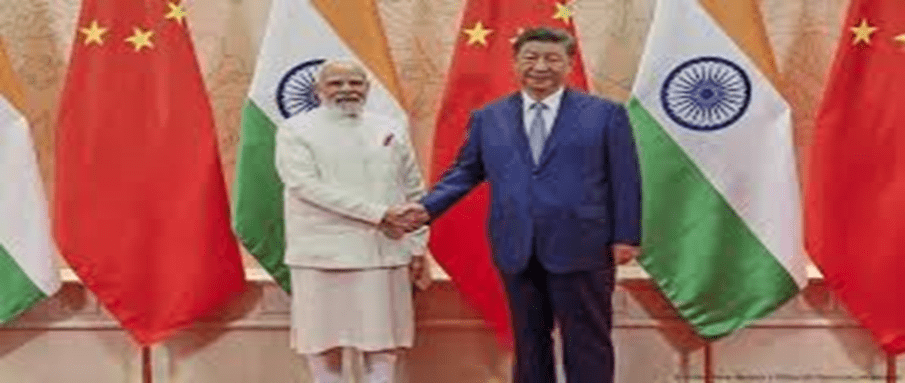
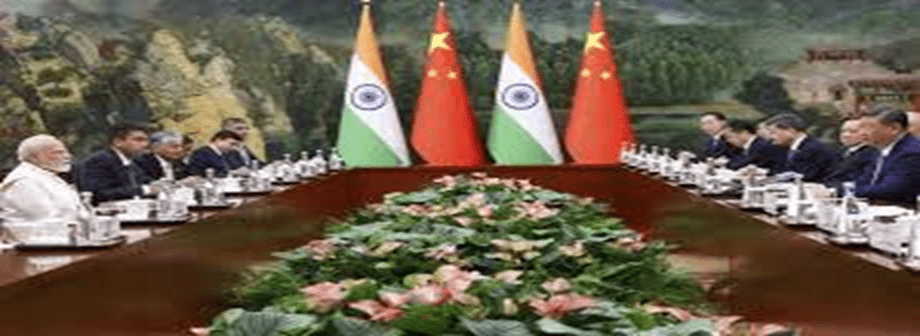
The SCO, primarily a security-oriented bloc dominated by China and Russia, offers India a platform for regional engagement, counter-terrorism cooperation, and connectivity initiatives. India’s full membership in 2017 underscored its growing strategic importance in Eurasia. From an economic standpoint, the SCO provides avenues for trade and investment with Central Asian nations, an area of increasing focus for India’s “Connect Central Asia” policy. On the security front, cooperation within the SCO against terrorism and extremism is vital for India’s national interests, given its proximity to volatile regions.
However, the editorial’s caution regarding “overestimating possibilities with China” within the SCO is pertinent. While the SCO fosters multilateralism, the underlying power asymmetry between India and China, coupled with their unresolved border disputes and differing strategic ambitions, cannot be overlooked. China’s Belt and Road Initiative (BRI), while offering connectivity, often raises concerns about debt traps and sovereignty for participating nations, including India’s strong reservations about its passage through Pakistan-occupied Kashmir. Therefore, while engaging with China on common SCO objectives, India must maintain a clear-eyed assessment of its own strategic autonomy and potential vulnerabilities.
The China Conundrum: A Complex Relationship:
The relationship between India and China is a tapestry woven with threads of cooperation and competition. Economically, China is India’s largest trading partner, yet the substantial trade deficit in China’s favour remains a persistent concern. India’s reliance on Chinese imports for various sectors, including pharmaceuticals and electronics, presents both opportunities and strategic vulnerabilities. Militarily, the unresolved border dispute, particularly after the Galwan Valley clash, continues to be a major point of friction, necessitating a robust defence posture from India. Culturally, while historical ties exist, the political relationship has often been characterized by distrust.
Overestimating possibilities with China could lead to a strategic miscalculation. China’s growing assertiveness in the Indo-Pacific, its expanding naval presence, and its “string of pearls” strategy raise legitimate security concerns for India. While dialogue and engagement are crucial to manage the relationship, a degree of strategic hedging is essential. This involves strengthening India’s own military capabilities, diversifying its supply chains, and fostering partnerships with like-minded nations to counterbalance China’s influence.
The US Partnership: Untapped Potential:
Conversely, the editorial’s advice to “underestimate possibilities with the US” underscores a vital strategic oversight if not addressed. The India-US relationship has witnessed a significant upward trajectory in recent decades, evolving into a comprehensive global strategic partnership. Economically, the US is a major trading partner and a crucial source of foreign direct investment (FDI) for India. Collaboration in technology, innovation, and defence manufacturing holds immense potential for job creation and economic growth in India.
Militarily, the US has emerged as a key defence partner, offering advanced military technology and intelligence sharing. Joint military exercises and strategic dialogues have enhanced interoperability and trust between the two nations. The Quadrilateral Security Dialogue (Quad), comprising India, the US, Japan, and Australia, is a testament to the shared vision of a free, open, and inclusive Indo-Pacific. Culturally, the vibrant Indian diaspora in the US acts as a strong bridge, fostering people-to-people connections and contributing to bilateral understanding.
Underestimating the US’s potential as a strategic partner would be a missed opportunity for India. The US offers not only military and economic benefits but also supports India’s aspirations for a greater role in global governance. Washington’s backing for India’s permanent membership in the UN Security Council is a significant diplomatic endorsement. Furthermore, the convergence of democratic values and a shared commitment to a rules-based international order provides a strong foundation for deepening the partnership.
Balancing Act for the Future:
India’s foreign policy must navigate this complex geopolitical landscape with prudence and foresight. While engaging constructively within the SCO, India must remain cognizant of the inherent limitations and power dynamics, particularly concerning China. Simultaneously, it must actively nurture and expand its strategic partnership with the US, recognizing the vast untapped potential in various domains.
This balancing act is not about choosing one over the other but about optimizing India’s position to secure its national interests, enhance its strategic autonomy, and contribute to a stable global order. The goal should be to leverage multilateral platforms like the SCO for specific, mutually beneficial objectives while simultaneously strengthening bilateral ties with key strategic partners like the US to address broader geopolitical challenges. India’s future influence will largely depend on its ability to skillfully manage these parallel relationships, ensuring that it neither overestimates its competitors nor underestimates its allies.
In conclusion, the SCO summit serves as a timely reminder for India to critically evaluate its foreign policy priorities. The path forward demands a nuanced understanding of both the opportunities and constraints presented by its relationships with China and the US, ensuring that India’s strategic calculus is grounded in realism and geared towards maximizing its long-term national interests.
UPSC mains exam question based on the provided topic:
GS Paper II:
International Relations: India and its neighbourhood- relations. Bilateral, regional and global groupings and agreements involving India and/or affecting India’s interests. Effect of policies and politics of developed and developing countries on India’s interests, Indian diaspora. Important International institutions, agencies and fora – their structure, mandate.
Governance, Constitution, Polity, Social Justice and International Relations: India’s foreign policy, multi-alignment, security and strategic interests.
GS Paper III:
Economy: Indian Economy and issues relating to planning, mobilization of resources, growth, development and employment. Effects of liberalization on the economy, changes in industrial policy and their effects on industrial growth. Investment models.
Security: Security challenges and their management in border areas; linkages of organized crime with terrorism. Various security forces and agencies and their mandate.
GS Paper II:
International Relations: Bilateral, regional and global groupings and agreements involving India and/or affecting India’s interests. India’s foreign policy, security and strategic interests.
Question 1: “India’s participation in the Shanghai Cooperation Organisation (SCO) reflects its multi-alignment strategy, yet the axiom ‘India should not overestimate possibilities with China and underestimate those with the US’ holds significant strategic weight.” Critically analyse this statement in the context of India’s foreign policy objectives, regional security challenges, and its role in the emerging global order. (15 Marks – 250 words)
Question 2: “While the SCO offers avenues for regional cooperation, India’s economic and security vulnerabilities vis-à-vis China necessitate a robust diversification of partnerships, particularly with the United States.” Discuss the economic and security dimensions of India’s relationship with China, and elaborate on how a strengthened partnership with the US can help India mitigate these vulnerabilities and achieve its strategic autonomy. (15 marks – 250 words)
(Source – The Indian Express)