
Excessive consumption of carbohydrates coupled with insufficient protein intake is exacerbating the obesity crisis in India
In a nation that has faced persistent challenges with malnutrition, the increasing population of individuals who seem to be both overfed and undernourished ought to raise significant concerns at all levels
Context: A recent article in The Indian Express (October 6, 2025) highlighted a critical yet often overlooked dimension of India’s escalating obesity crisis: the pervasive overindulgence in carbohydrates coupled with alarmingly low protein intake. This dietary imbalance, deeply rooted in socio-economic and cultural factors, presents a significant public health challenge with far-reaching implications for India’s developmental trajectory.
The Shifting Epidemiological Landscape:
Historically, India has grappled with undernutrition. However, in a stark epidemiological transition, the nation is now confronting the dual burden of malnutrition, where undernutrition coexists with overnutrition and obesity. This shift is particularly pronounced in urban areas but is rapidly spreading to semi-urban and even rural populations. The rise in non-communicable diseases (NCDs) like diabetes, cardiovascular diseases, and certain cancers, all strongly linked to obesity, underscores the urgency of addressing this dietary imbalance.
The Carbohydrate Calamity:
The Indian diet, at its core, is heavily carbohydrate-centric. Staples like rice, wheat (roti, naan), and potatoes form the bulk of meals across most regions. While carbohydrates are an essential energy source, their overconsumption, particularly refined carbohydrates, contributes significantly to weight gain. Processed foods, sugary beverages, and readily available snacks, all high in refined carbohydrates and often unhealthy fats, have become commonplace, especially among younger demographics. The affordability and accessibility of these calorie-dense, nutrient-poor options further exacerbate the problem. The cultural emphasis on sweets and fried snacks during festivals and daily life also contributes to this carbohydrate overload.
The Protein Predicament:
In stark contrast to the carbohydrate abundance, protein intake in India often falls short of recommended levels. This deficit is multifaceted. Vegetarianism, deeply ingrained in Indian culture, can make adequate protein intake challenging if not consciously planned. While legumes, pulses, and dairy are good vegetarian protein sources, their consumption may not always be sufficient or varied enough. For non-vegetarians, protein sources like meat and eggs can sometimes be less frequently consumed due to cost or cultural preferences. A low-protein diet often leads to reduced satiety, prompting individuals to consume more carbohydrates and fats, creating a vicious cycle of overeating and weight gain. Protein is crucial for muscle mass maintenance, metabolic health, and hormonal balance, all of which play a vital role in weight management.
Socio-Economic and Cultural Determinants:
The dietary patterns leading to obesity are not merely individual choices but are shaped by broader socio-economic and cultural factors.
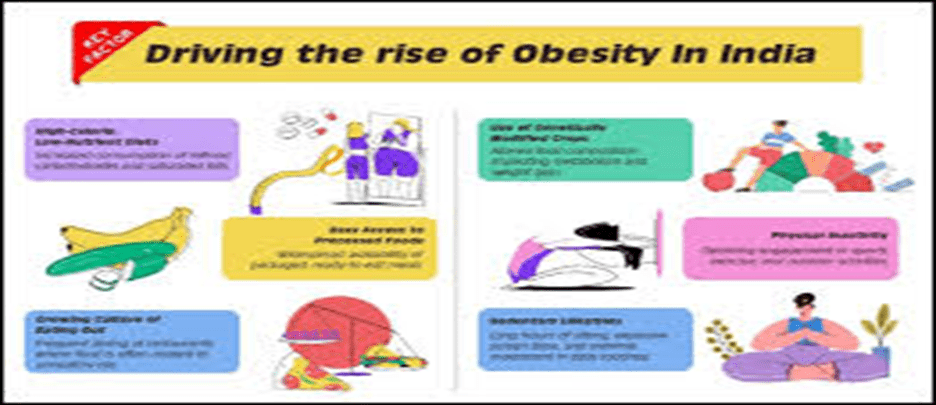
- Affordability and Accessibility: Calorie-dense, processed foods are often cheaper and more readily available than nutrient-rich alternatives, particularly for lower-income groups.
- Urbanization and Lifestyle Changes: Rapid urbanization has led to sedentary lifestyles, increased reliance on ready-to-eat meals, and reduced physical activity.
- Marketing and Advertising: Aggressive marketing of unhealthy foods, particularly towards children, influences dietary preferences.
- Lack of Nutritional Awareness: A significant portion of the population lacks adequate knowledge about balanced nutrition, the importance of protein, and the pitfalls of excessive carbohydrate consumption.
- Food Security vs. Nutritional Security: While India has achieved significant strides in food security, ensuring access to sufficient calories, the challenge now lies in achieving nutritional security, ensuring access to diverse and nutrient-rich foods.
Consequences and Future Implications:
The long-term consequences of this dietary imbalance are dire. The rising prevalence of obesity and related NCDs places an immense burden on India’s healthcare system, diverting resources and impacting productivity. A less healthy workforce translates to reduced economic output and a diminished quality of life for millions. Furthermore, childhood obesity is a growing concern, predisposing future generations to chronic health problems.
Way Forward: A Multi-pronged Approach:
Addressing India’s obesity crisis necessitates a comprehensive, multi-sectoral approach:
- Public Awareness Campaigns: Large-scale campaigns are needed to educate the public about balanced nutrition, emphasizing the importance of protein and the dangers of refined carbohydrates.
- Dietary Guidelines and Fortification: Promoting clear dietary guidelines that are culturally sensitive and practical. Exploring food fortification programs to enhance nutrient intake.
- Promoting Healthy Food Environments: Regulating the marketing of unhealthy foods, especially to children, and incentivizing the availability of nutritious and affordable food options.
- Investing in Agriculture and Food Systems: Diversifying agricultural production to support a wider range of protein-rich crops and promoting sustainable food practices.
- Healthcare Intervention: Incorporating nutritional counseling and lifestyle modification programs into primary healthcare.
- Physical Activity Promotion: Encouraging physical activity through better urban planning, accessible recreational facilities, and school-based programs.
- Policy Interventions: Considering fiscal policies like taxes on sugary beverages and unhealthy processed foods, with revenue potentially channeled into health initiatives.
India’s journey towards a healthier future hinges on a fundamental shift in its dietary landscape. The insights from the Indian Express article serve as a crucial reminder that while addressing food security, the nation must now pivot its focus towards achieving nutritional security, fostering a culture that values balanced eating, and mitigating the growing epidemic of obesity.
UPSC mains exam question based on the provided topic:
General Studies Paper II: Governance, Social Justice and International Relations; General Studies Paper III: Indian Economy and Development, Science and Technology, Environment and Disaster Management
General Studies Paper III: Indian Economy and Development, Science and Technology, Environment and Disaster Management
“The increasing prevalence of obesity in India, driven significantly by imbalanced dietary patterns of high carbohydrate and low protein intake, poses a severe threat to public health and national development.”
Question 1. In light of this statement, critically analyse the socio-economic and cultural factors contributing to this dietary imbalance across different strata of Indian society. Suggest comprehensive policy interventions that the government can undertake to promote a balanced nutritional profile and mitigate the associated health crisis. (15 Marks)
Question 2. Examine the intricate linkages between India’s changing agricultural practices, food processing industry trends, and the rising incidence of lifestyle diseases, particularly obesity, due to excessive carbohydrate and insufficient protein consumption. How can innovations in food science and technology, coupled with sustainable agricultural policies, be leveraged to address this challenge effectively? (10 Marks)
(Source – Indian Express)