
The extensive Rio de Janeiro Declaration, comprising almost 16,000 words and released after the summit, appropriately emphasized the importance of “inclusive and sustainable” governance
- Sino-Indian Rivalry: The persistent border disputes and strategic competition between China and India form the most significant fault line. India’s simultaneous membership in platforms like the Quad, aimed at countering Chinese influence, creates a fundamental conflict of interest within BRICS.
- Divergent Worldviews: The members lack a unified vision. Russia, facing Western sanctions, increasingly views BRICS as an anti-West alliance. China seeks to use it as a vehicle for its Belt and Road Initiative and to establish a Sino-centric global order. In contrast, India, Brazil, and South Africa pursue strategic autonomy and are wary of being drawn into a direct confrontation with the West.
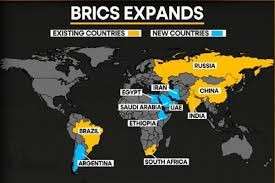
- Unwieldy Expansion: The 2024 expansion, which included nations like Iran, Saudi Arabia, and the UAE, has imported regional rivalries (e.g., Saudi-Iran tensions) into the bloc, making consensus-building even more difficult. The 2025 summit reportedly struggled to issue a strong, unified statement on key global conflicts due to these internal divisions.
- China’s Dominance: China’s economy is larger than all other BRICS members combined. This creates a severe power imbalance, where other members fear becoming dependent on a Chinese-led economic system rather than partners in a truly multipolar arrangement.
- Limited Progress on Key Initiatives: While the New Development Bank (NDB) is a notable achievement, its scale and influence remain limited compared to the World Bank and the IMF. Furthermore, its operations are complicated by sanctions against Russia, a founding member.
- De-dollarization Remains a Distant Dream: The much-discussed goal of creating a common BRICS currency or reducing dependence on the US dollar has seen little tangible progress. Intra-BRICS trade is still largely conducted in dollars, and the practical challenges of creating a shared currency among such diverse economies are immense.
- Rhetoric vs. Action: BRICS has been effective at criticising the inequities of the existing global financial and political architecture, but has failed to present a viable, unified, and actionable alternative. Its declarations are often long on rhetoric but short on concrete implementation plans.
- Rise of Other Platforms: The G20, which includes most BRICS members alongside G7 nations, proved to be a more effective and inclusive platform for global dialogue, as demonstrated by the success of India’s 2023 presidency. This has, to an extent, stolen the thunder from BRICS as the premier voice of the developing world.