
Emerging and illuminating: Worldwide unpredictability is driving up the prices of precious metals
One element influencing prices is the volatility of the currency market. A weaker USD, specifically, frequently serves as the catalyst for bull runs – the international prices of both metals are denominated in USD
Introduction
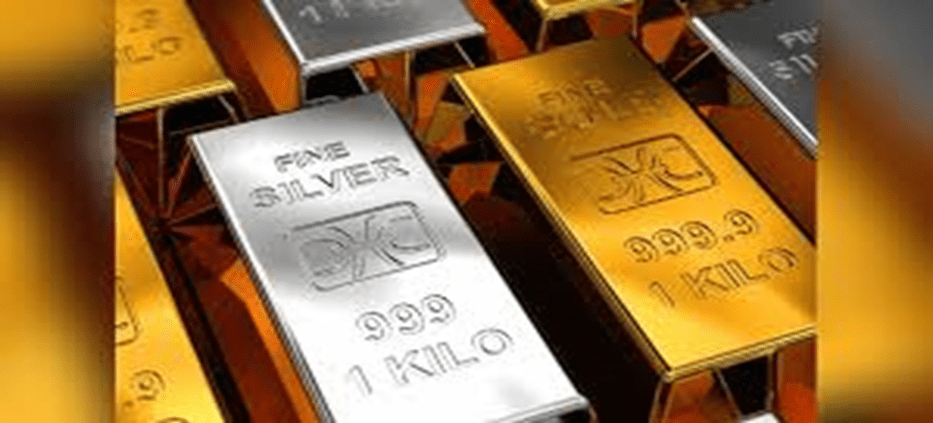
The global economic landscape of late 2025 is a tapestry woven with threads of uncertainty, volatility, and geopolitical flux. In this environment, a familiar pattern is reasserting itself with renewed vigor: the robust performance of precious metals. Gold, silver, platinum, and palladium are not just shining; they are rising, becoming beacons of stability and haven assets amidst a turbulent world. This article will delve into the multi-dimensional factors driving this surge, exploring its implications for investors, economies, and the broader financial system.
The Bedrock of Uncertainty: A Confluence of Factors
Several interconnected global phenomena are contributing to the current climate of apprehension, directly fueling the demand for precious metals:
- Geopolitical Instability: From simmering regional conflicts to heightened tensions between major global powers, geopolitical risks are at an elevated level. These events disrupt supply chains, impact energy prices, and create an overarching sense of unpredictability, prompting investors to seek assets traditionally perceived as hedges against such instability. The prospect of future escalations further solidifies gold’s role as a store of value.
- Persistent Inflationary Pressures: Despite efforts by central banks, inflation remains a significant concern in many major economies. While perhaps not at the peaks seen in earlier years, persistent price increases erode purchasing power, making traditional fiat currencies less attractive as long-term stores of wealth. Precious metals, particularly gold, have historically demonstrated an ability to preserve value during inflationary periods.
- Economic Slowdown Concerns: The post-pandemic economic recovery has proven uneven and fragile. Fears of a potential global recession or prolonged period of sluggish growth are casting a shadow over equity markets and corporate earnings. In such an environment, assets less correlated with economic cycles, like precious metals, become highly desirable.
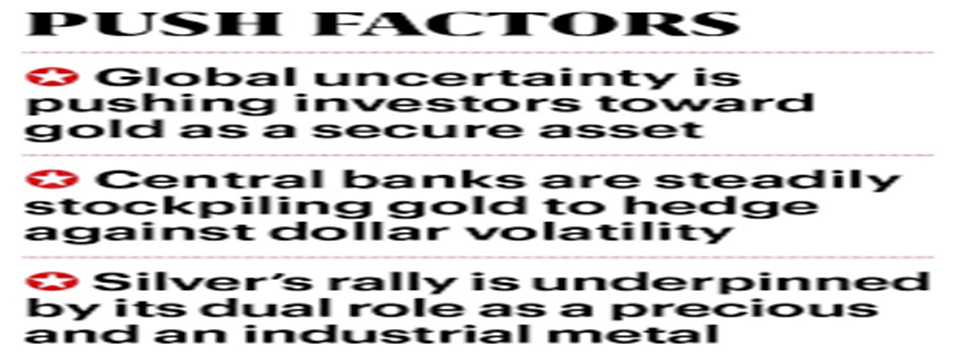
- Currency Volatility and Devaluation Fears: The strength and stability of major reserve currencies are constantly under scrutiny. Central bank policies, trade imbalances, and national debt levels can all contribute to currency fluctuations. Investors often turn to gold as an alternative, universal currency that is not subject to the whims of any single nation’s economic policy.
- High Public Debt and Fiscal Pressures: Many governments globally are grappling with unprecedented levels of public debt, exacerbated by pandemic-era spending and ongoing fiscal commitments. Concerns about sovereign debt sustainability and the potential for “financial repression” (where governments keep interest rates low to inflate away debt) further bolster the case for tangible assets like precious metals.
The Role of Specific Metals:
While often grouped, each precious metal plays a slightly different role in this landscape:
- Gold: The quintessential safe-haven asset. Its price is primarily driven by fear, uncertainty, and its perception as a universal store of value. It benefits most directly from geopolitical instability and inflation concerns.
- Silver: Often called “poor man’s gold,” silver also acts as a haven but has a significant industrial demand component. Its price is thus influenced by both investment demand and the health of the global manufacturing sector. In times of uncertainty, its safe-haven qualities tend to dominate.
- Platinum and Palladium: These are predominantly industrial metals, critical in catalytic converters for automobiles, among other applications. However, their scarcity and growing demand in hydrogen fuel cells and other green technologies, coupled with supply disruptions (often from geopolitically sensitive regions like South Africa and Russia), lend them a significant investment appeal, especially during periods of supply chain anxiety.
Implications and Way Forward:
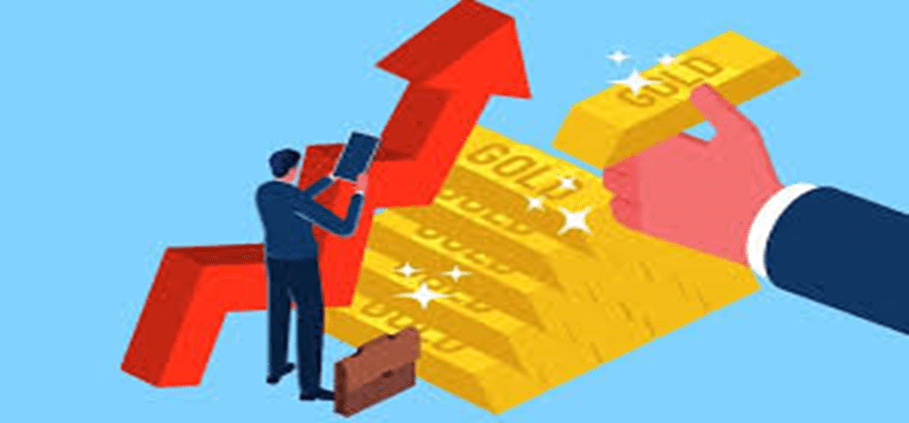
The sustained rise in precious metal prices carries several implications:
- For Investors: It reinforces the importance of diversification. Investors with a portion of their portfolio allocated to precious metals are likely seeing positive returns, mitigating losses from more volatile asset classes. However, it also presents a challenge for those attempting to time the market, as prices can be highly reactive to news.
- For Central Banks: Many central banks have been net buyers of gold in recent years, diversifying their reserves away from traditional fiat currencies. This trend is likely to continue, adding further upward pressure on gold prices and signaling a broader shift in international financial architecture.
- For Economies: While a boon for precious metal-exporting nations, the higher prices can also indicate underlying economic stress. Governments and policymakers must address the root causes of global uncertainty to foster a more stable environment.
Looking ahead, as long as the global environment remains characterized by elevated uncertainty – be it from geopolitical tensions, persistent inflation, or economic fragility – precious metals are likely to retain their allure. Their role as tangible assets, detached from the credit risk of financial institutions and the policy whims of governments, makes them an indispensable component of a resilient investment strategy in these turbulent times. The current “rising and shining” trend is not merely a cyclical upswing but a reflection of deep-seated global anxieties prompting a return to fundamental stores of value.
UPSC mains exam question based on the provided topic:
GS Paper III: Indian Economy and issues relating to planning, mobilization of resources, growth, development, and employment. Government Budgeting. Investment models. Effects of liberalization on the economy, changes in industrial policy, and their effects on industrial growth.
Infrastructure: Energy, Ports, Roads, Airports, Railways, etc. Investment model. Science and Technology- developments and their applications and effects in everyday life. Achievements of Indians in science & technology; indigenization of technology and developing new technology.
GS Paper II: Bilateral, regional and global groupings and agreements involving India and/or affecting India’s interests. The effect of policies and politics of developed and developing countries on India’s interests, the Indian diaspora. Important International institutions, agencies, and fora, their structure, and mandate.
Question 1: “Global uncertainty is driving a significant surge in precious metal prices, impacting investment strategies, central bank policies, and the broader economic landscape.” In light of this statement and correlating it with the UPSC syllabus, critically examine the multi-dimensional factors contributing to this trend and discuss its implications for both the Indian economy and global financial stability. (250 words, 15 marks)
Question 2: “The role of precious metals as safe-haven assets is reasserting itself amidst geopolitical flux and persistent inflationary pressures, compelling central banks globally to reassess their reserve management strategies.” Analyse this statement by identifying the specific mechanisms through which geopolitical instability and inflation influence precious metal demand. Further, discuss the challenges and opportunities for India in leveraging its position as a major gold consumer in this evolving global financial scenario, considering aspects of economic policy and trade. (250 words, 15 marks)
(Source – Business Standard)