
The Supreme Court has proposed the inclusion of Aadhaar, EPIC, and ration cards as acceptable forms of identification for the electoral roll, providing a potential solution
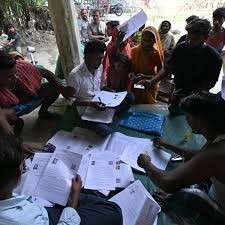
- Voter Roll Management: Finalizing electoral rolls and ensuring last-mile delivery of voter cards becomes difficult in flood-affected areas.
- Accessibility: Ensuring the accessibility of polling stations for all, including persons with disabilities and the elderly, is a major challenge when infrastructure is damaged.
- Deployment: The movement and deployment of Central Armed Police Forces (CAPF), polling personnel, and election material like EVMs and VVPATs are severely hampered, impacting the election schedule and security arrangements.
- Expenditure Monitoring: Enforcing the prescribed expenditure limits for candidates remains a formidable task due to the rampant use of black money, surrogate advertising, and illicit distribution of cash, liquor, and other freebies to influence voters.
- Criminalisation of Politics: The presence of candidates with criminal backgrounds continues to be a concern. The ECI’s directives for publicizing criminal antecedents often prove insufficient to deter parties from fielding such candidates, who use intimidation to suppress voter turnout or coerce choices.
- Enforcement of MCC: Ensuring strict adherence to the Model Code of Conduct (MCC) requires immense administrative will and vigilance, especially in preventing the misuse of state machinery and intimidating voters in sensitive constituencies.
- Hate Speech: The ECI faces the difficult task of monitoring and acting against inflammatory speeches and communal appeals by political leaders, which can vitiate the electoral atmosphere.
- Polarisation: Political narratives are often designed to polarize the electorate, making it challenging for the ECI to ensure a level playing field based on developmental issues rather than identity politics.
- Misinformation and Disinformation: The proliferation of social media platforms has become a hotbed for targeted misinformation, fake news, and propaganda.
- AI and Deep–fakes: The emergence of AI-generated deepfake videos and audio clips presents a grave threat. A fabricated clip of a political rival could go viral within hours, causing irreparable damage and inciting public unrest before it can be debunked.
- Micro-targeting: The use of data analytics to micro-target voters with divisive messages based on their caste, religion, or location makes the ECI’s task of regulation exceptionally difficult. While the ECI has the cVIGIL app and collaborates with social media platforms, the sheer volume and velocity of information pose a significant challenge.
- Strengthened Inter-Agency Coordination: Enhanced collaboration between the ECI, National Disaster Management Authority (NDMA), and security forces is crucial for developing robust contingency plans for flood-affected regions.
- Leveraging Technology for Enforcement: The ECI must use AI and advanced analytics to proactively identify and flag potential MCC violations, hate speech, and fake news online, in addition to strengthening platforms like cVIGIL.
- Statutory Backing for MCC: Providing statutory backing to the Model Code of Conduct would empower the ECI with more potent punitive measures against violators, moving beyond mere censures.
- Enhanced Voter Awareness: The SVEEP (Systematic Voters’ Education and Electoral Participation) program should be intensified, with a special focus on digital literacy to help voters identify misinformation and understand the importance of ethical voting.
- Robust Security Deployment: A granular, evidence-based mapping of sensitive and critical polling stations is needed for the strategic deployment of CAPF to build voter confidence and prevent intimidation.