
Governments need to understand that “reasonable restrictions” on free speech should be rare, justifiable, and precisely defined
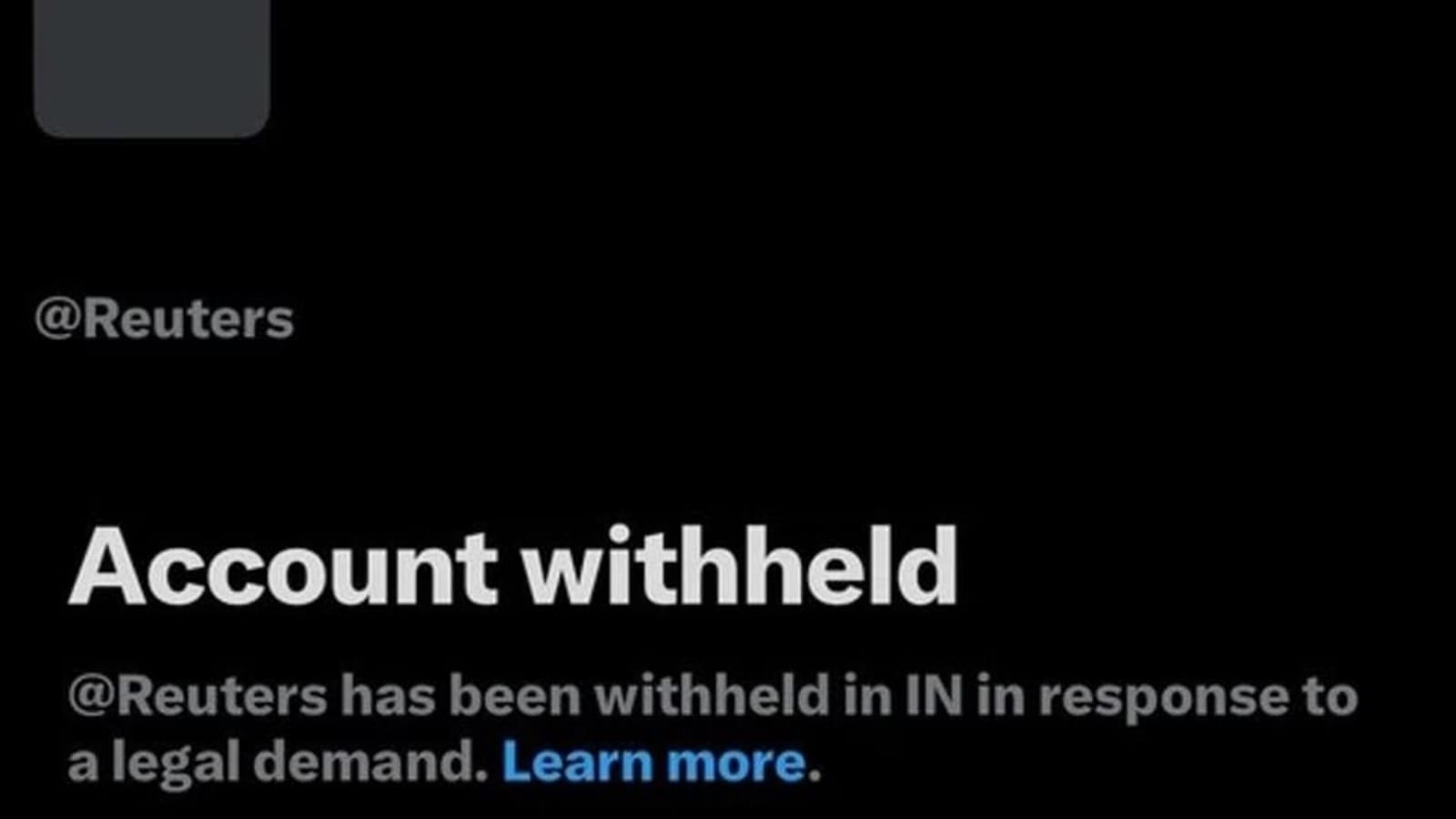
- The Right to Free Speech: Article 19(1)(a) guarantees all citizens the right to freedom of speech and expression. The Supreme Court has repeatedly held that this includes the freedom of the press and the public’s right to know. In the digital age, this freedom extends to online platforms, which have become a primary medium for news dissemination and public discourse.
- Reasonable Restrictions: This right is not absolute. Article 19(2) allows the state to impose “reasonable restrictions” on this freedom in the interest of the sovereignty and integrity of India, security of the State, friendly relations with foreign States, public order, decency or morality, or in relation to contempt of court, defamation or incitement to an offence.
- The row over the Reuters accounts questions the “reasonableness” and “proportionality” of the restrictions being imposed. Blocking entire accounts of a globally recognised news agency, rather than contesting specific pieces of content, is seen by critics as a disproportionate measure that can have a chilling effect on journalism.
- Lack of Transparency: The IT (Procedure and Safeguards for Blocking for Access of Information by Public) Rules, 2009, framed under Section 69A, contain a confidentiality clause. This means the government is not obligated to make the blocking orders public, often leaving both the platform and the user in the dark about the specific reasons for the takedown. This opacity is contrary to the principles of natural justice, which require that the accused be informed of the charges against them.
- Absence of Due Process: The lack of a mandatory pre-decisional hearing for the content creator undermines due process. Such executive actions, without robust judicial oversight or a transparent review mechanism, raise concerns about potential misuse for suppressing dissent or critical reporting.
- Erosion of Press Freedom: Targeting media outlets sends a signal that critical coverage of government policies may invite punitive action. This encourages self-censorship among journalists and media houses, weakening the press’s role as the “fourth estate” essential for holding the government accountable.
- Shrinking Space for Dissent: A healthy democracy thrives on debate and the expression of diverse viewpoints. When the government becomes the sole arbiter of what constitutes acceptable speech online, it can lead to the homogenisation of opinion and the marginalisation of dissenting voices.
- Impact on India’s Global Image: Such incidents are closely watched internationally and can tarnish India’s reputation as the world’s largest democracy. They contribute to a lower ranking on global indices like the World Press Freedom Index and can be perceived as a drift towards “digital authoritarianism,” potentially affecting diplomatic and economic relations.
- The Counter-Argument of National Security: The government maintains that such actions are necessary to combat misinformation, fake news, and foreign-sponsored propaganda that can threaten public order and national security. In a volatile digital ecosystem, the state argues it must have the tools to act swiftly against malicious content.
- Reforming the IT Rules: The confidentiality clause in the Blocking Rules, 2009, should be amended to ensure that reasons for blocking are communicated to the affected party, allowing them a fair chance to appeal.
- Strengthening Judicial Oversight: The judiciary must continue to act as a bulwark against executive overreach, rigorously applying the test of proportionality as laid down in the K.S. Puttaswamy judgment.
- Promoting Digital Literacy: Rather than just suppression, the government should focus on empowering citizens with digital and media literacy to critically evaluate information and discern credible news from falsehoods.