
Conflicting messages: Regarding discussions between India and the United States
India must confront the potential of unsuccessful negotiations with the U.S
Introduction
The recent flurry of high-level engagements between India and the United States has sent a series of mixed signals across the diplomatic landscape. While the resumption of dialogue, including meetings between India’s External Affairs Minister and the U.S. Secretary of State in New York and ongoing trade negotiations led by the Commerce Minister in Washington, suggests a return to normalcy, a spate of recent unilateral actions by the U.S. has introduced significant turbulence into the bilateral relationship. This dynamic of simultaneous cooperation and friction underscores the complex, multi-dimensional nature of the India-U.S. strategic partnership.
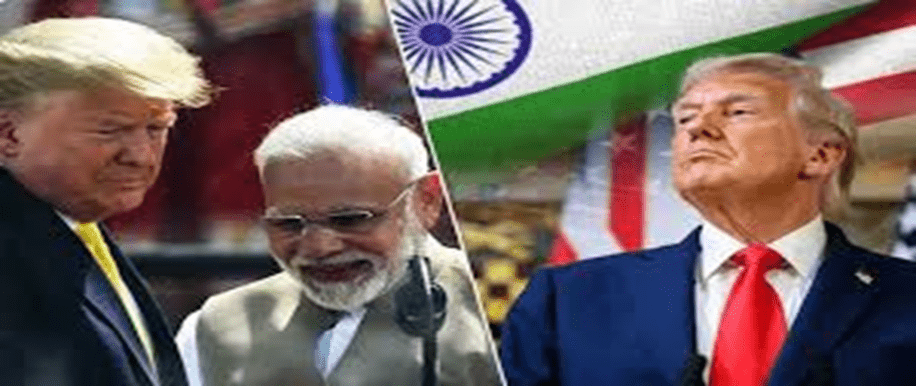
Strategic Convergence Amidst Divergences
At the strategic level, the partnership continues to be robust on paper. Both nations share converging interests in ensuring a free, open, and inclusive Indo-Pacific, a cornerstone of their collaboration under the Quad framework. The possibility of a Quad leaders’ summit in India later this year keeps hopes for continued strategic alignment alive. Earlier in February 2025, the launch of the “U.S.-India COMPACT” initiative was intended to drive transformative change in military, commerce, and technology cooperation. There remains a commitment to expand the scope of India’s ‘Major Defense Partner’ status and enhance interoperability between the two militaries.
However, this strategic embrace is strained by Washington’s pressure on New Delhi regarding its relationship with Russia. The U.S. has vocally objected to India’s continued purchase of Russian oil, imposing punitive tariffs as a direct consequence. This is coupled with the unexpected revocation of the sanctions waiver for India’s operation of the Chabahar port, a project vital for its regional connectivity ambitions. Furthermore, the U.S. President’s repeated offers to mediate the India-Pakistan conflict have been a persistent irritant, challenging India’s long-held position. These actions highlight a fundamental divergence in approach, with India steadfastly asserting its strategic autonomy.
Economic Ties: The Tug of War
The economic dimension of the relationship presents the most vivid contradictions. On one hand, negotiators are intensifying efforts to conclude a bilateral trade agreement (BTA), with both sides describing recent talks as “positive and forward-looking.”The ambitious “Mission 500,” which aims for $500 billion in bilateral trade by 2030, signals a shared desire for deeper economic integration.
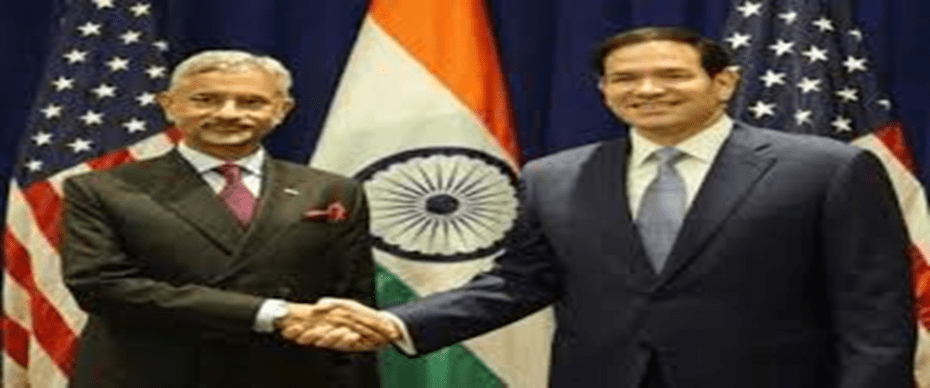
On the other hand, the economic relationship is fraught with tension. The Trump administration has imposed sweeping tariffs of up to 50% on Indian exports, citing a “reciprocal” duty and penalizing India for its energy imports from Russia. These measures have been decried by India as unfair and unjustified. Contentious issues, including market access for American agricultural and dairy products, continue to be significant hurdles in the trade talks. The recent sharp increase in the H-1B visa application fee to $100,000 is another major blow, directly impacting Indian professionals and the thriving technology partnership that forms a key pillar of the bilateral ties.
Technology and People-to-People Connect
Collaboration in critical and emerging technologies, clean energy, and pharmaceuticals remains a promising area of convergence. The strong people-to-people ties, particularly through the Indian diaspora and skilled professionals, have historically been the bedrock of the relationship. However, the punitive new visa regulations threaten to erode this foundation. While joint innovation funds and partnerships in AI and quantum computing are on the anvil, the recent policy shifts create an environment of unpredictability for the very talent that fuels this collaboration.
The Way Forward: Patience and Pragmatism
The current state of India-U.S. relations is arguably one of its most challenging phases since the turn of the century. The American actions, whether seen as negotiating tactics or a genuine policy shift, have injected a degree of volatility that demands careful navigation from New Delhi. For the relationship to move forward, the U.S. will need to reconcile its strategic objectives with an acceptance of India’s multi-vector foreign policy and its pursuit of strategic autonomy.
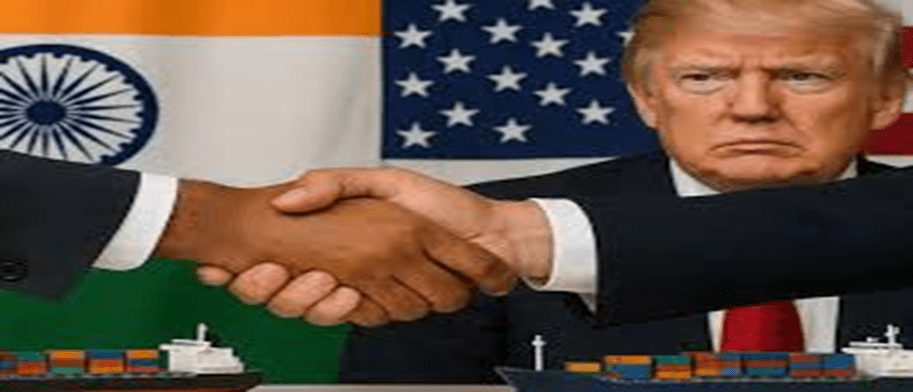
For India, the path forward requires a blend of patient diplomacy and firm resolve. While engaging constructively in dialogue, especially to secure a mutually beneficial trade deal which could act as a crucial confidence-building measure, India must also be prepared for setbacks. The “mixed signals” emanating from Washington are a clear indication that while the long-term trajectory of the India-U.S. partnership remains strategically important, the road ahead will require navigating significant bumps and hard knocks with pragmatism and a clear-eyed focus on national interest.
UPSC mains exam question based on the provided topic:
GS Paper 2:
- “Bilateral, regional and global groupings and agreements involving India and/or affecting India’s interests.”
- “Effect of policies and politics of developed countries on India’s interests.”
- “India and its neighborhood- relations.” (in the context of Chabahar)
- “Important International institutions, agencies and fora- their structure, mandate.” (as a background for understanding sovereign policy choices)
Question 1: While the India-U.S. strategic partnership continues to deepen on paper, especially in the Indo-Pacific, recent unilateral U.S. actions have introduced significant friction. Critically analyse the key areas of divergence and suggest a pragmatic diplomatic approach for India to navigate these challenges while safeguarding its national interests. (250 words, 15 marks)
Question 2: The concept of ‘strategic autonomy’ is a cornerstone of India’s foreign policy, yet it often clashes with the expectations of its partners, particularly the United States. In the context of recent developments, examine how this divergence manifests in the economic and security domains of the India-U.S. bilateral relationship. (150 words, 10 marks)
(Source – The Hindu)