
Artist in Exile: A Tribute to MF Husain in Doha
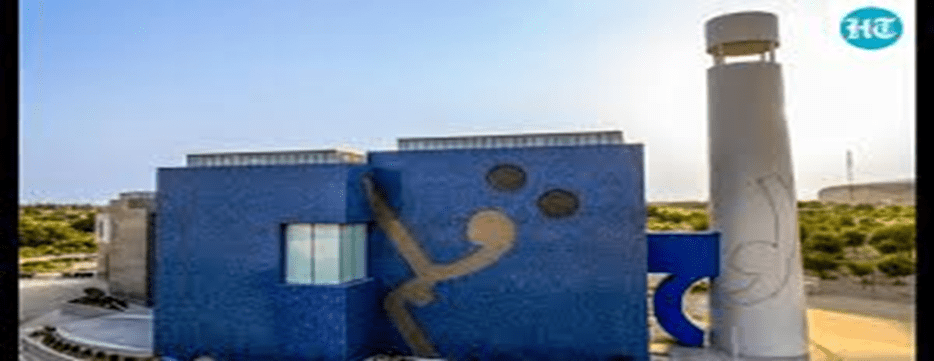
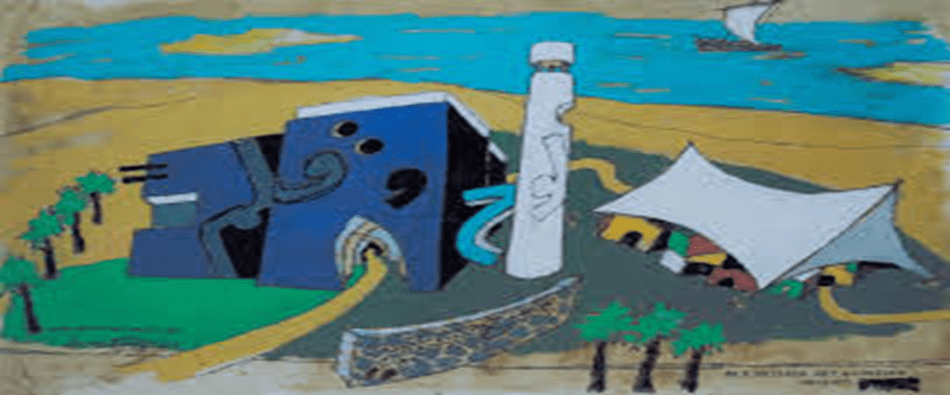
In the final phases of his life, while in Qatar and under royal patronage, Husain created visual representations of Arab civilization
The recent exhibition in Doha, paying homage to Maqbool Fida Husain, India’s modernist master, reignites a poignant dialogue surrounding artistic freedom, cultural heritage, and the painful reality of exile. As reported by The Hindustan Times, this tribute, far from being a mere retrospective, serves as a powerful reminder of Husain’s profound legacy and the circumstances that forced him to spend his twilight years away from the land he so deeply cherished and immortalized on canvas.
The Artist and His Art: A Legacy of Modernism
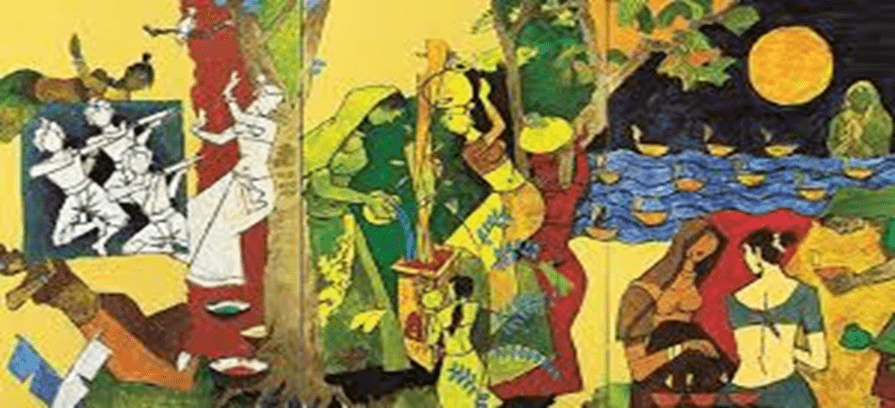
MF Husain, often dubbed the “Picasso of India,” was a towering figure in Indian modern art. Born in 1915, his journey from a billboard painter to an internationally acclaimed artist reflects a relentless pursuit of artistic expression. He was a founding member of the Progressive Artists’ Group (PAG) in 1947, a movement that sought to break away from traditional academic styles and forge a new artistic identity for independent India. His works are characterized by their bold lines, vibrant colors, and a distinctive narrative quality, drawing heavily from Indian mythology, folklore, history, and contemporary life.
Husain’s artistic lexicon was rich and diverse. His iconic depictions of horses, a recurring motif symbolizing power and freedom, became synonymous with his style. His portraits of Mother Teresa, his series on the Ramayana and Mahabharata, and his explorations of Indian cinematic themes showcased his versatility and deep engagement with his cultural roots. He was not just an artist but a visual storyteller, meticulously weaving narratives that resonated with the collective consciousness of a nascent nation.
The Controversy and the Flight:
Despite his immense contributions, Husain’s career was marred by controversy, ultimately leading to his self-imposed exile. The genesis of this ordeal lay in a series of paintings depicting Hindu deities in a nude or semi-nude form, created decades before they became a flashpoint. While Husain maintained that his artistic intent was to portray these figures in a sacred and unadorned manner, drawing parallels to ancient temple sculptures, certain right-wing groups perceived them as blasphemous and offensive.
The backlash intensified in the mid-2000s, escalating into legal battles, threats, and acts of vandalism against his art and property. The constant fear for his safety and the inability to freely express himself in his homeland forced Husain to leave India in 2006. He eventually accepted Qatari citizenship in 2010, finding a haven that respected his artistic freedom, albeit thousands of miles away from his cultural cradle.
Doha’s Tribute: A Global Dialogue on Art and Exile:
The Doha exhibition is more than just a display of Husain’s magnificent oeuvre; it’s a poignant statement on the global stage. It underscores the responsibility of cultural institutions worldwide to preserve and celebrate artistic heritage, especially when artists face persecution or exile in their own countries. For Qatar, a nation rapidly emerging as a cultural hub, hosting such an important tribute reinforces its commitment to fostering artistic discourse and providing a platform for voices that may have been silenced elsewhere.
This tribute also prompts critical questions for India. What does it mean for a nation to lose one of its most celebrated artistic sons to exile? How do societies balance religious sentiments with artistic freedom? The irony of Husain’s art, which so eloquently captured the essence of India, being celebrated abroad while his return to his homeland remained impossible until his death in 2011, is a harsh commentary on the challenges of cultural pluralism and tolerance.
From a perspective, the MF Husain saga offers a multi-dimensional analysis:
Art and Culture: Understanding Husain’s contribution to Indian modern art, the significance of the Progressive Artists’ Group, and the evolution of artistic styles in post-independence India.
- Freedom of Expression vs. Religious Sentiments: A critical examination of Article 19(1)(a) of the Indian Constitution (Freedom of Speech and Expression) and its reasonable restrictions. This includes analysing judicial pronouncements on artistic freedom and the challenges of balancing it with religious sensitivities.
- Secularism and Pluralism: The incident highlights the complexities of India’s secular fabric and the potential for friction between diverse religious and cultural interpretations.
- Diaspora and Cultural Diplomacy: The role of international institutions and countries like Qatar in providing refuge and recognition to artists in exile. It also touches upon the concept of cultural diplomacy and how art transcends national boundaries.
- Social Movements and Public Discourse: Analysing the role of various social and political groups in shaping public discourse around art and culture, and the impact of such movements on artistic careers.
Conclusion:
The Doha tribute to MF Husain is a powerful reminder that art is a universal language, capable of transcending geographical and political boundaries. It compels us to reflect on the importance of nurturing artistic freedom, protecting cultural heritage, and fostering an environment where creativity can flourish without fear. Husain’s life and art remain a testament to the enduring power of human expression, even in the face of adversity, and a constant call for introspection on the values we uphold as a society. His exile, a tragic chapter in India’s cultural history, serves as a crucial case study in the ongoing global dialogue about art, identity, and the fundamental right to express.
UPSC mains exam question based on the provided topic:
GS Paper I – Indian Heritage and Culture, Modern Indian History
GS Paper II – Governance, Constitution, Polity, Social Justice
Question 1. “M.F. Husain’s artistic journey, from the Progressive Artists’ Group to his eventual exile, encapsulates the complex interplay between artistic freedom, cultural nationalism, and societal reactions in post-independent India.” Critically analyse this statement, discussing Husain’s contributions to Indian modern art and the socio-political factors that led to the controversies surrounding his work. (250 words, 15 marks)
Question 2. “The self-imposed exile of M.F. Husain raises pertinent questions about the balance between freedom of speech and expression (Article 19(1)(a)) and the right to religious freedom (Article 25) in a secular, pluralistic democracy like India.” Examine this statement in light of constitutional provisions and relevant judicial interpretations. Suggest measures that can foster a more inclusive environment for artistic expression while respecting diverse societal sentiments. (250 words, 15 marks)
(Source – Hindustan Times)