
Articulate perspective on cancer mapping: Initial measure towards enhancing the robustness of disease data
They have the potential to facilitate more efficient and focused interventions aimed at combating the disease
Introduction
The call for robust cancer mapping, as highlighted by The Indian Express, signifies a crucial stride towards a more comprehensive and effective approach to cancer control in India. Currently, the fragmented and often incomplete data on cancer poses significant challenges to public health planning, resource allocation, and the development of targeted interventions. Mapping cancer effectively is not merely about creating a visual representation of disease prevalence; it’s about building a robust data infrastructure that can revolutionize our fight against this debilitating illness.
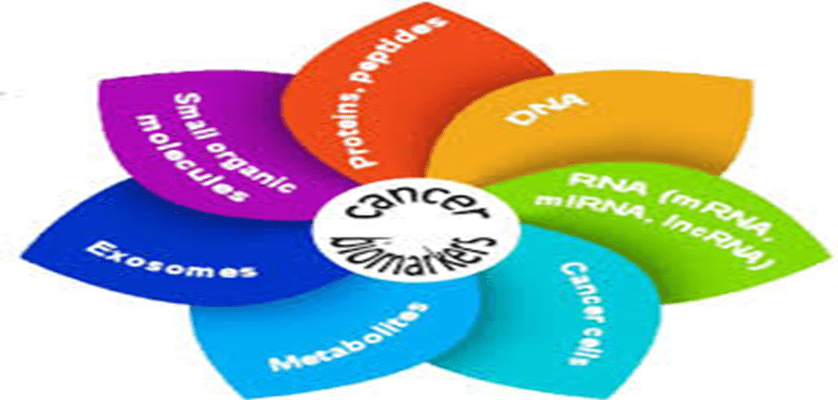
The Current Landscape and the Need for Robust Data:
India’s diverse population, varying lifestyle factors, and heterogeneous healthcare access create a complex cancer landscape. Existing data sources often suffer from limitations such as:
- Under-reporting: Many cancer cases, especially in rural areas, go undiagnosed or unreported, leading to an underestimation of the true burden.
- Lack of uniformity: Data collection methods vary across states and institutions, making aggregation and comparison difficult.
- Limited disaggregation: Data often lacks granular details on specific cancer types, risk factors, treatment outcomes, and socioeconomic determinants.
- Absence of real-time data: Most available data is retrospective, hindering timely interventions and outbreak response.
This fragmented data environment severely impedes our ability to understand cancer patterns, identify high-risk populations, and evaluate the effectiveness of prevention and treatment programs.
Dimensions of Cancer Mapping:
A robust cancer mapping initiative needs to encompass several critical dimensions:
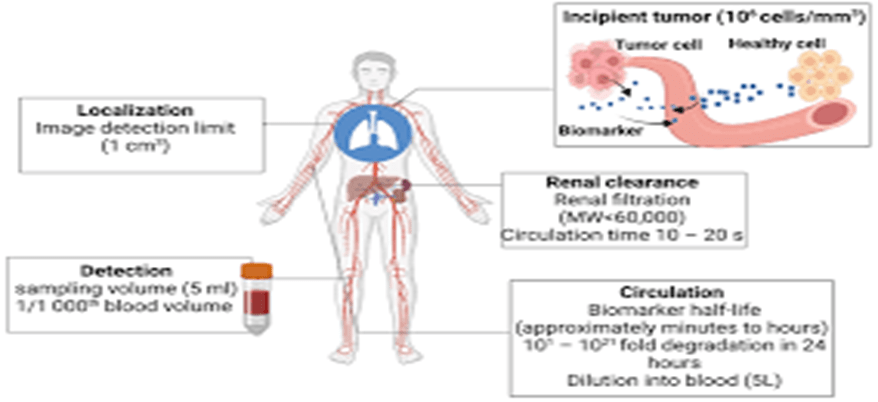
Geographic Mapping:
- Identification of Hotspots: Mapping can pinpoint areas with higher cancer incidence or specific cancer types, allowing for focused screening programs and resource deployment.
- Environmental Correlates: Overlaying cancer data with environmental factors like pollution levels, industrial zones, and water contamination can help identify potential causative links.
- Healthcare Access Disparities: Geographic mapping can highlight areas with poor access to diagnostic facilities, treatment centers, and palliative care, guiding infrastructure development.
Demographic Mapping:
- Age and Gender-Specific Patterns: Understanding cancer prevalence across different age groups and genders is crucial for tailoring prevention messages and screening guidelines.
- Socioeconomic Disparities: Mapping by income, education level, and occupation can reveal socioeconomic determinants of cancer, informing equity-focused interventions.
- Ethnic and Regional Variations: Identifying variations among different population groups can lead to research into genetic predispositions and culturally sensitive interventions.
Type-Specific Mapping:
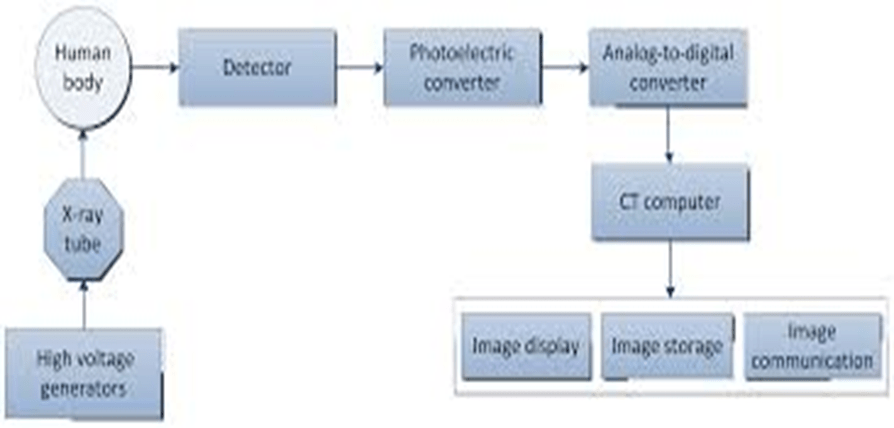
- Prevalence of Specific Cancers: Detailed mapping of common cancers like oral, breast, cervical, and lung cancer allows for the development of targeted screening and awareness campaigns.
- Rare Cancers: Understanding the distribution of rarer cancers can aid in the development of specialized diagnostic and treatment protocols.
Risk Factor Mapping:
- Lifestyle Factors: Mapping the prevalence of risk factors such as tobacco use, alcohol consumption, unhealthy diet, and physical inactivity alongside cancer data can inform behavioral change interventions.
- Infectious Agents: Mapping the incidence of cancers linked to infectious agents (e.g., HPV and cervical cancer, HBV/HCV and liver cancer) can guide vaccination and public health programs.
Treatment and Outcome Mapping:
- Survival Rates: Mapping survival rates across different regions and institutions can highlight best practices and areas needing improvement in cancer care.
- Treatment Modalities: Understanding the availability and utilization of various treatment modalities (surgery, chemotherapy, radiation, immunotherapy) can guide resource allocation.
- Palliative Care Access: Mapping access to palliative care services is essential for improving the quality of life for cancer patients.
Benefits of Robust Cancer Mapping:
- Evidence-Based Policy Making: Robust data provides the foundation for formulating effective national and state-level cancer control policies.
- Targeted Interventions: Pinpointing high-risk populations and areas enables the design of focused prevention, screening, and early detection programs, maximizing impact with limited resources.
- Resource Optimization: Data-driven insights can guide the equitable distribution of healthcare infrastructure, human resources, and financial investments.
- Research and Development: A comprehensive cancer map can spur research into epidemiological patterns, genetic predispositions, and novel treatment strategies.
- Public Awareness and Education: Visualizing the burden of cancer can significantly enhance public awareness and encourage proactive health-seeking behaviors.
- Improved Patient Outcomes: By identifying gaps in care and promoting best practices, robust mapping can ultimately lead to earlier diagnosis, better treatment, and improved survival rates.
- International Collaboration: Standardized and robust data can facilitate international collaboration and learning from global best practices in cancer control.
Challenges and the Way Forward:
Implementing a robust cancer mapping initiative faces several challenges:
- Data Collection Infrastructure: Strengthening existing cancer registries, establishing new ones, and ensuring their interoperability are crucial.
- Standardization: Developing uniform data collection protocols, diagnostic criteria, and reporting standards across the country is paramount.
- Technological Adoption: Utilizing advanced GIS (Geographic Information System) tools, artificial intelligence, and big data analytics for data integration and visualization.
- Human Resources: Training healthcare professionals in data collection, analysis, and interpretation.
- Data Privacy and Security: Establishing robust mechanisms to protect patient data while ensuring its utility for public health.
- Funding and Political Will: Significant investment and sustained political commitment are essential for the success of such a large-scale initiative.
Conclusion:
The initiative to map cancer robustly is a transformative step towards strengthening India’s response to this growing public health challenge. It is not an end in itself but the crucial first step in building a resilient data ecosystem that will empower policymakers, healthcare providers, researchers, and the public to collectively combat cancer more effectively. By leveraging technology, fostering collaboration, and investing in a robust data infrastructure, India can move closer to its goal of reducing the burden of cancer and improving the lives of millions.
UPSC mains exam question based on the provided topic:
GS Paper II: Governance:
- Government Policies and Interventions for Development in various sectors and issues arising out of their design and implementation. (Cancer mapping as a policy intervention for health)
- Issues relating to development and management of Social Sector/Services relating to Health, Education, Human Resources. (Improved health outcomes through data-driven approaches)
- Important aspects of governance, transparency and accountability, e-governance applications, models, successes, limitations, and potential; citizens charters, transparency & accountability and institutional and other measures. (Data robustness for transparent and accountable health governance)
GS Paper II: Social Justice:
- Mechanisms, laws, institutions and Bodies constituted for the protection and betterment of these vulnerable sections. (Cancer disproportionately affects vulnerable sections; mapping identifies these disparities) Issues relating to poverty and hunger. (Cancer’s economic burden, especially on the poor; mapping informs targeted support)
- Development processes and the development industry – the role of NGOs, SHGs, various groups and associations, donors, charities, institutional and other stakeholders. (Role of various stakeholders in data collection and utilization for social justice in health)
GS Paper III: Science and Technology:
- Developments and their applications and effects in everyday life. (Application of AI, GIS, Big Data in healthcare)
- Achievements of Indians in science & technology; indigenization of technology and developing new technology. (Potential for indigenous technological solutions in health data management)
- Awareness in the fields of IT, Space, Computers, Robotics, Nanotechnology, Bio-technology and issues relating to Intellectual Property Rights. (Focus on IT/data technology, ethical considerations)
GS Paper III: Economic Development (indirectly linked through resource allocation and healthcare economics):
- Indian Economy and issues relating to planning, mobilization of resources, growth, development and employment. (Efficient resource allocation in healthcare based on mapping data)
GS Paper III: Security:
- Challenges to internal security through communication networks, role of media and social networking sites in internal security challenges, basics of cyber security; money-laundering and its prevention. (Cyber security of health data, data privacy, ethical hacking/data breaches as a concern)
Question 1 “Robust cancer mapping is not merely a statistical exercise but a critical enabler for effective public health governance and social justice in India. “Critically analyse this statement, highlighting how comprehensive cancer mapping aligns with the principles of social justice and improves governance in the healthcare sector. Discuss the institutional and policy reforms required to establish and utilize such a robust data infrastructure. (15 Marks – 250 words)
Question 2 “The successful implementation of a nationwide cancer mapping initiative hinges on leveraging advanced technologies while addressing associated challenges of data integrity, privacy, and equitable access.” Examine the technological interventions (e.g., AI, GIS, Big Data) that can be employed for effective cancer mapping in India. Furthermore, discuss the ethical considerations and potential challenges related to data security and equitable digital access that must be meticulously managed for the initiative’s success. (15 Marks – 250 words)
(Source – Indian Express)