
A recent study indicates that decreasing pollution yields health advantages. It is the responsibility of the government to draw the appropriate conclusions
The Climate Trends study conducted by IIT-Delhi demonstrates the potential of the NCAP to effect significant change. The government should implement the required adjustments
Introduction
A recent study, as highlighted, unequivocally links pollution reduction with significant health benefits. This finding is not merely an academic observation but a crucial directive for governments worldwide, particularly in nations like India grappling with severe environmental degradation. The onus is now squarely on the government to internalize these lessons and translate them into robust policy and effective implementation.
The Indisputable Link: Pollution and Public Health
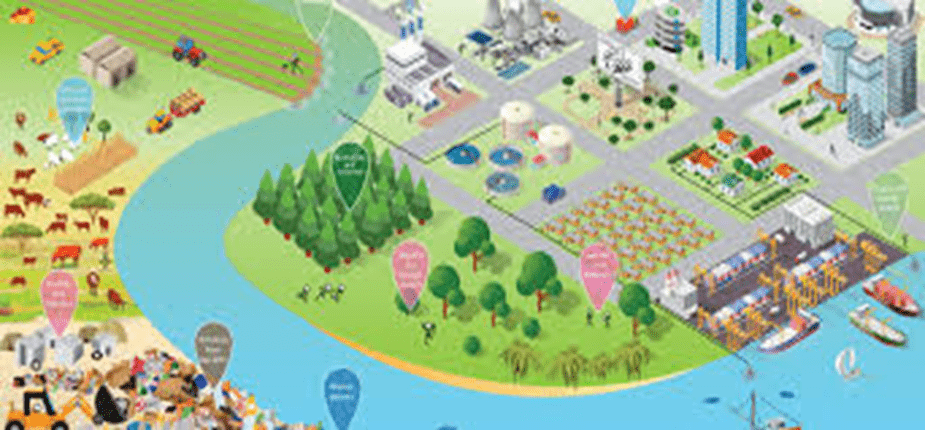
The study likely substantiates what has been increasingly evident:
- Respiratory Diseases: Reduced particulate matter (PM2.5, PM10) directly translates to fewer cases of asthma, bronchitis, COPD, and lung cancer.
- Cardiovascular Health: Air pollution is a major risk factor for heart attacks, strokes, and other cardiovascular ailments. Cleaner air can significantly lower this burden.
- Maternal and Child Health: Exposure to pollutants during pregnancy can lead to low birth weight, premature birth, and developmental issues in children. Children are also more susceptible to respiratory infections and impaired lung development due to pollution.
- Neurological Impacts: Emerging research suggests links between air pollution and neurological disorders, including cognitive decline and increased risk of dementia.
- Mental Health: Studies are also beginning to draw connections between prolonged exposure to polluted environments and increased incidence of anxiety and depression.
Beyond air, water, and soil pollution contribute to a host of other health issues, including waterborne diseases, heavy metal poisoning, and the bioaccumulation of toxins in the food chain. The economic cost of these health burdens, encompassing healthcare expenditure, lost productivity, and premature deaths, is staggering, making pollution control an economic imperative alongside a health one.
Government’s Role: A Multi-dimensional Approach
The study’s findings necessitate a comprehensive, multi-pronged approach from the government, touching upon various dimensions of governance:
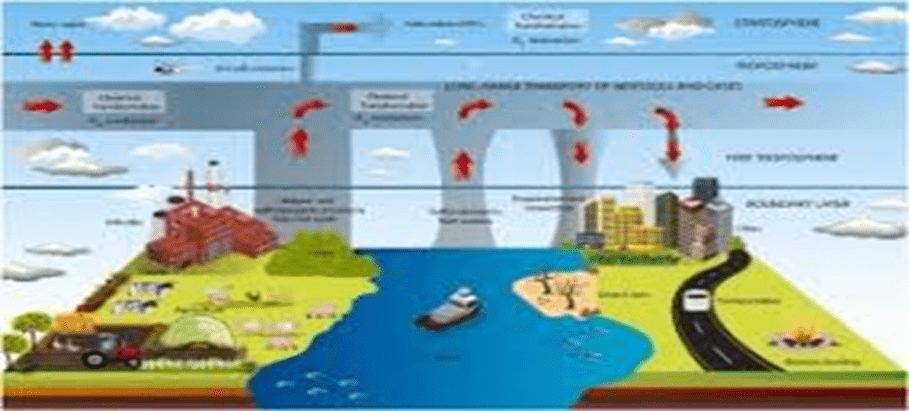
1. Policy Formulation and Strengthening:
- Stricter Emission Norms: Implementing and rigorously enforcing BS-VI equivalent norms for vehicles, industrial emissions standards, and thermal power plants.
- Renewable Energy Transition: Aggressively promoting solar, wind, and hydropower to reduce reliance on fossil fuels.
- Waste Management: Developing robust policies for solid waste management, including segregation, recycling, composting, and waste-to-energy initiatives, to reduce landfill fires and methane emissions.
- Water Quality Standards: Enacting and enforcing stringent standards for industrial discharge and municipal wastewater treatment.
- Sustainable Agriculture: Promoting organic farming and reducing reliance on chemical pesticides and fertilizers that pollute soil and water.
2. Regulatory Framework and Enforcement:
- Empowering Regulatory Bodies: Strengthening the capacity and independence of bodies like the Central and State Pollution Control Boards with adequate funding, personnel, and punitive powers.
- Real-time Monitoring: Investing in advanced, real-time air and water quality monitoring systems across urban and industrial areas, making data publicly accessible.
- Deterrent Penalties: Imposing heavy fines and strict legal action against polluters to ensure compliance.
- Inter-Ministerial Coordination: Ensuring seamless coordination between ministries like Environment, Health, Transport, Urban Development, and Power for holistic policy implementation.
3. Public Awareness and Participation:
- Information Dissemination: Educating the public about the health impacts of pollution and individual actions they can take to mitigate it.
- Behavioral Change Campaigns: Encouraging sustainable practices like public transport usage, carpooling, waste segregation, and responsible consumption.
- Citizen Science: Involving local communities in monitoring efforts and reporting violations.
4. Technological Adoption and Innovation:
- Green Technologies: Promoting research and development in green technologies for industries, agriculture, and energy production.
- Electric Mobility: Incentivizing the adoption of electric vehicles and developing robust charging infrastructure.
- Air Purification Solutions: Exploring and deploying scalable air purification technologies in highly polluted zones as an interim measure.
5. International Cooperation and Best Practices:
- Learning from Global Models: Adopting successful pollution control strategies from countries that have effectively tackled similar challenges.
- Technological Transfer: Collaborating with international bodies and nations for technology transfer and capacity building in pollution control.
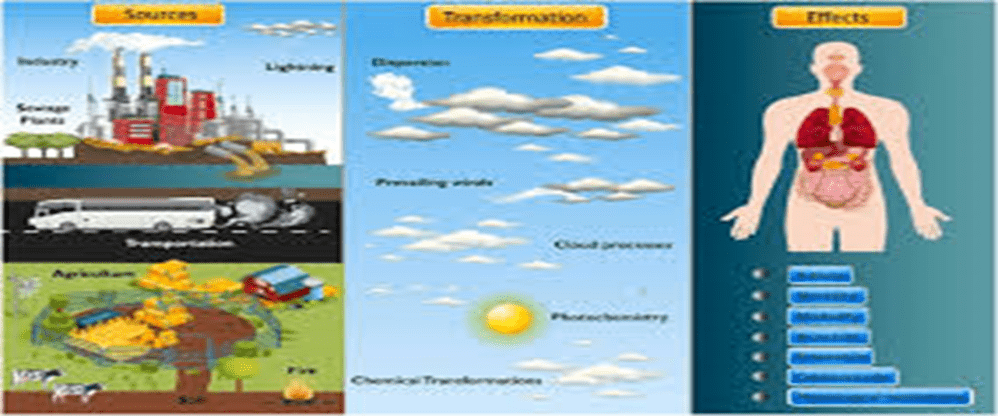
Challenges and the Path Forward:
Implementing these measures will not be without challenges. Industrial lobbies, development-versus-environment debates, lack of public awareness, and resource constraints are significant hurdles. However, the study serves as a stark reminder that these challenges must be overcome. The government must view pollution control not as an impediment to economic growth but as an essential investment in human capital and sustainable development.
Conclusion:
The recent study provides irrefutable evidence that reducing pollution is a direct pathway to improving public health and well-being. It’s a powerful mandate for the government to move beyond rhetoric and towards decisive action. By taking the right lessons – strengthening policies, enforcing regulations, fostering public participation, embracing technology, and collaborating internationally – India can embark on a transformative journey towards a cleaner, healthier, and more sustainable future for all its citizens. This is not merely an environmental agenda; it is a fundamental pillar of national development and public welfare.
UPSC mains exam question based on the provided topic:
General Studies Paper III: Technology, Economic Development, Biodiversity, Environment, Security, and Disaster Management
Question 1. “A recent study highlighting the health benefits of pollution reduction puts the onus on the government to take the right lessons.” In light of this statement, critically analyse the multi-dimensional impacts of environmental pollution on public health and national development in India. Evaluate the efficacy of current governmental policies and regulatory frameworks in addressing these challenges, suggesting crucial reforms required for a sustainable future. (250 words, 15 marks)
Question 2. Discuss how the transition to a ‘Green Economy’ can simultaneously address India’s environmental pollution challenges and contribute to its economic growth and social equity objectives. What role can technological innovation and citizen participation play in driving this transition, particularly in the context of urban and industrial pollution? (250 words, 15 marks)
(Source – Indian Express)