A preventable disaster: Regarding the TVK rally, the stampede that occurred in Karur
Law enforcement should prohibit roadshows in heavily populated areas
Introduction
The recent tragic stampede at the Tamilaga Vettri Kazhagam (TVK) rally in Karur, Tamil Nadu, which claimed 40 lives, including nine children, and left over a hundred injured, serves as a grim reminder of the catastrophic consequences of administrative failures and political negligence. This avoidable tragedy, centered around a rally led by actor-turned-politician Vijay, underscores the urgent need to address systemic issues in crowd management, enforce accountability for man-made disasters, and re-evaluate the political culture that often prioritizes spectacle over public safety. The incident demands a multi-dimensional analysis, encompassing administrative lapses, political responsibilities, the societal impact of celebrity politics, and the profound ethical questions it raises.
The Anatomy of a Disaster: A Cascade of Failures
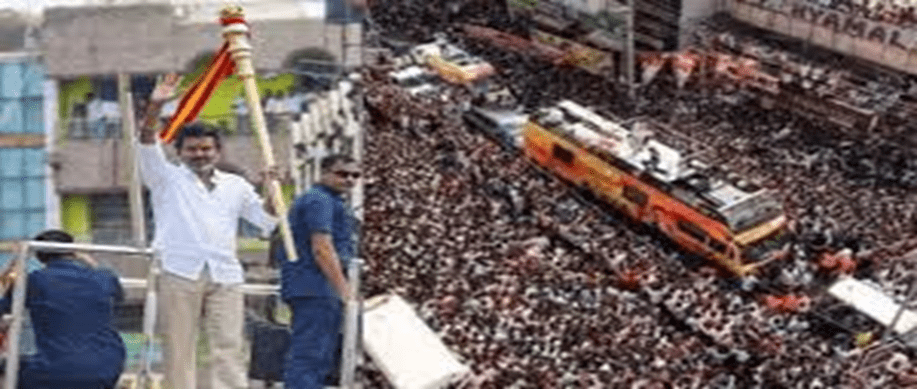
The Karur stampede was not a spontaneous event but the culmination of a series of misjudgments and systemic flaws. Several factors contributed to this man-made disaster:
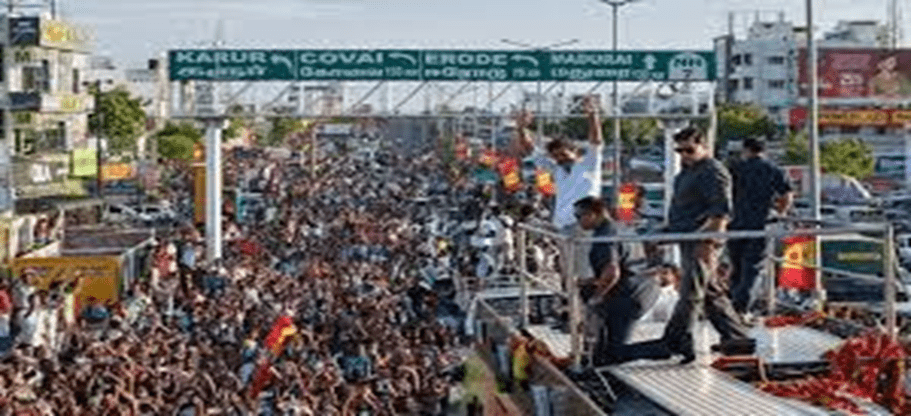
- Gross Overcrowding and Inadequate Planning: Initial estimates for the rally projected a turnout of around 10,000 people; however, the actual attendance swelled to over 27,000. This significant mismatch between the expected and actual crowd size points to a severe lapse in intelligence gathering and planning by both the event organizers and the local administration. The venue, a narrow 60-foot road, was ill-suited for such a massive gathering, turning it into a veritable trap.
- Delayed Arrival and Crowd Fatigue: The rally’s main attraction, TVK leader Vijay, arrived several hours behind schedule. This prolonged waiting period, with many supporters having gathered since morning without adequate access to food and water, led to restlessness and exhaustion, particularly among women and children.
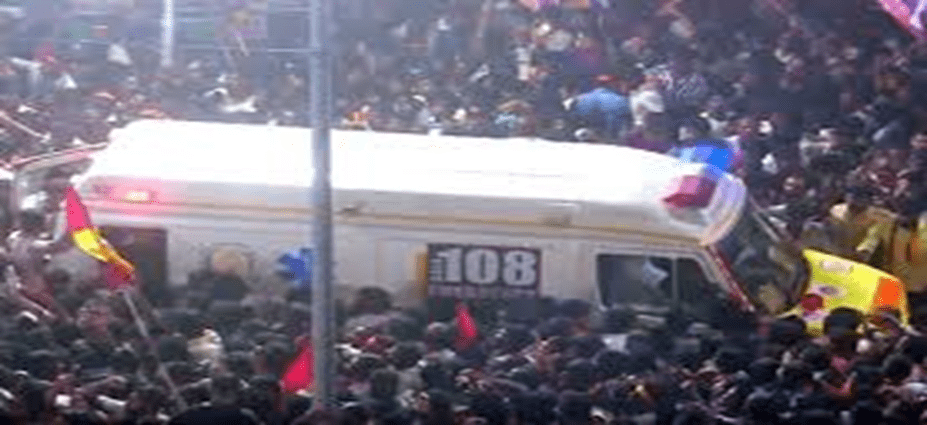
- Inadequate Crowd Management Measures: Despite the deployment of nearly 500 police personnel, crowd control measures were woefully inadequate. Eyewitness accounts suggest a lack of proper barricading and channeling of the crowd, leading to a chaotic surge when the leader’s convoy arrived. The trigger for the stampede is believed to have been people climbing a tree to get a better view and subsequently falling into the dense crowd below.
- The Perils of Celebrity Politics: The immense popularity of Vijay, a leading figure in Tamil cinema, undoubtedly contributed to the massive turnout. This phenomenon highlights a significant challenge in contemporary Indian politics where the lines between fandom and political support are often blurred. The frenzied desire to catch a glimpse of the celebrity leader can overwhelm safety protocols and create a volatile environment.
Multidimensional Implications of the Tragedy
Administrative and Governance Failures:
The Karur incident exposes critical gaps in the administrative machinery responsible for granting permissions and ensuring safety at public gatherings. Despite the existence of National Disaster Management Authority (NDMA) guidelines on crowd management, their implementation on the ground appears to be lax. The Disaster Management Act of 2005 provides a legal framework for a proactive approach to disaster management, shifting the focus from relief to prevention and preparedness. However, the Karur tragedy indicates a failure to translate these policies into effective action at the district level.
The role of the police and district administration in granting permission for the rally at an unsuitable venue and their inability to enforce conditions for safe conduct are under scrutiny. Reports suggest that the TVK had been previously cautioned by the Madras High Court regarding damage to public property during their rallies and was asked to act responsibly. This tragedy underscores the need for a standardized and strictly enforced Standard Operating Procedure (SOP) for all political rallies, irrespective of the political party or leader.
Political and Ethical Dimensions:
The aftermath of the stampede has seen the expected political blame game, with opposition parties holding the ruling DMK government responsible, while the TVK has alleged a conspiracy and sought an independent probe. While a judicial commission headed by retired Justice Aruna Jagadeesan has been constituted to investigate the incident, the ethical responsibility of the TVK as the organizer cannot be overlooked.
Political parties have a moral obligation to ensure the safety and well-being of the people they invite to their rallies. This includes conducting thorough risk assessments, choosing appropriate venues, providing basic amenities, and cooperating fully with law enforcement agencies. The tendency to prioritize political grandstanding and shows of strength over the lives of supporters is a grave ethical breach.
Social Context: The Double-Edged Sword of Celebrity Influence:
In a society where cinema and politics are deeply intertwined, celebrity politicians command a massive and often emotionally charged following. While this can be a powerful tool for political mobilization, it also comes with immense responsibility. The Karur incident is a tragic illustration of how the adulation of a celebrity can create a dangerously volatile situation. It necessitates a broader societal conversation about responsible fandom and the need for political leaders, especially those from a celebrity background, to actively promote a culture of safety and discipline among their followers.
Way Forward: A Roadmap for Preventing Future Tragedies
The Karur stampede must serve as a watershed moment for reforming the conduct of political rallies in India. A multi-pronged approach is essential to prevent the recurrence of such avoidable tragedies:
- Strict Enforcement of NDMA Guidelines and SOPs: The NDMA guidelines on crowd management must be made mandatory for all public gatherings, with clear accountability mechanisms for non-compliance. Event-specific SOPs, including detailed plans for entry and exit, emergency evacuation routes, and medical preparedness, should be a prerequisite for granting permission.
- Strengthening the Role of District Administration: The District Disaster Management Authority (DDMA), headed by the District Collector, needs to be empowered and held accountable for conducting thorough inspections of proposed venues and ensuring that all safety protocols are in place before granting permission for any large gathering.
- Holding Organizers Accountable: The organizers of political rallies must be held legally and financially responsible for any untoward incidents. The proposal to collect a safety deposit from organizers to cover potential damages and compensation is a step in the right direction.
- Depoliticizing Disaster Management: The response to such tragedies should be swift and apolitical, focusing on providing relief to the victims and conducting an impartial inquiry to fix accountability.
- Promoting a Culture of Safety: Political leaders have a crucial role to play in educating their supporters about the importance of discipline and adherence to safety norms during rallies. They must lead by example and prioritize the safety of their followers above all else.
Conclusion
The Karur stampede is a tragic indictment of a system that has repeatedly failed to learn from past mistakes. It is a stark reminder that the right to assemble peacefully, a cornerstone of our democracy, cannot be exercised at the cost of human lives. While judicial inquiries and compensation are necessary, they are not enough. What is needed is a fundamental shift in the mindset of political parties, a more robust and accountable administrative framework, and a citizenry that demands and respects a culture of safety. Only then can we ensure that such avoidable tragedies do not mar our political landscape in the future.
UPSC mains exam question based on the provided topic:
GS Paper II (Governance, Constitution, Polity, Social Justice, and International Relations):
- “Government policies and interventions for development in various sectors and issues arising out of their design and implementation.”
- “Important aspects of governance, transparency and accountability, e-governance applications, models, successes, limitations, and potential; citizens’ charters, transparency & accountability, and institutional and other measures.” “Role of civil services in a democracy.”
GS Paper III (Technology, Economic Development, Biodiversity, Environment, Security and Disaster Management):
- “Disaster and disaster management.” – This question directly assesses the candidate’s understanding of disaster management principles, particularly concerning man-made disasters.
GS Paper IV (Ethics, Integrity, and Aptitude):
- “Ethics and Human Interface: Essence, determinants and consequences of Ethics in human actions; dimensions of ethics.”
- “Public/Civil service values and Ethics in Public administration: Status and problems; ethical concerns and dilemmas in government and private institutions.” “Accountability and ethical governance.”
Question 1: “The recent stampede in Karur was not merely an accident but a man-made disaster symptomatic of deep-rooted administrative failures and a deficient safety culture surrounding political gatherings in India. Critically analyse this statement in the context of the role of district administration and the existing legal frameworks for disaster management.” (250 words, 15 marks)
Question 2: “Political rallies, while essential for democratic expression, often expose an ethical vacuum where public safety is subordinated to political grandstanding and celebrity worship. In light of the Karur tragedy, discuss the ethical responsibilities of political parties and leaders. What measures are needed to enforce political accountability for ensuring public safety during such events?” (150 words, 10 marks)
(Source – The Hindu)