A chance in Manipur, an opportunity to be embraced
The Prime Minister’s suggested visit occurs at a pivotal time, when the possibility of a resolution is present
Introduction
Manipur, a land of enchanting beauty and rich cultural heritage, has unfortunately been grappling with a complex web of challenges for decades. However, recent developments, as highlighted by the Indian Express on September 8, 2025, suggest an “opening” – a crucial window of opportunity that, if seized with strategic foresight and inclusive action, could pave the way for lasting peace, stability, and prosperity in the state. This article will delve into the multi-dimensional aspects of this potential opening, examining its implications for governance, security, economy, and social cohesion, crucial for a UPSC-oriented understanding.
Historical Context and the Genesis of the “Opening”:
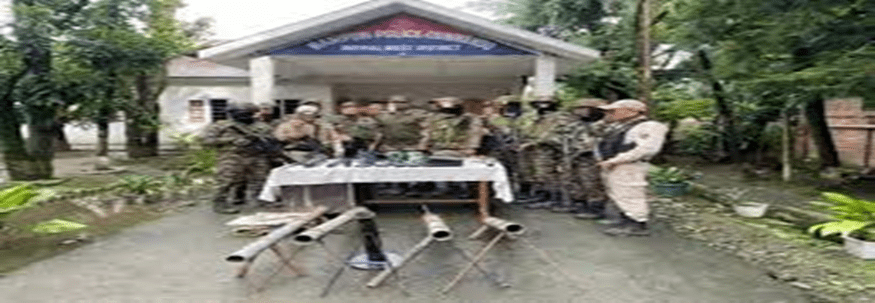
Manipur’s history is marked by periods of both vibrant independence and significant internal strife. Its unique geopolitical location, bordering Myanmar, has made it a sensitive region. Decades of insurgency, ethnic tensions, and governance deficits have created a cycle of underdevelopment and mistrust. The “opening” alluded to by the Indian Express likely refers to a confluence of factors: a potential reduction in the intensity of certain insurgent activities, renewed efforts at dialogue by various stakeholders, and perhaps a growing fatigue among the populace for prolonged instability. Understanding the historical roots of these conflicts – land disputes, ethnic identity politics, and the demand for greater autonomy – is essential to comprehending the present opportunity.
Governance and Political Will:
The first and foremost dimension to address is governance. A sustained “opening” necessitates robust and transparent governance, free from corruption and characterized by accountability. This means strengthening local institutions, empowering Panchayati Raj bodies, and ensuring equitable distribution of resources. The political leadership in Manipur, supported by the Union government, must demonstrate unwavering political will to engage in inclusive dialogue with all stakeholders, including various ethnic groups and former insurgent cadres. This would involve a credible demobilization, rehabilitation, and reintegration (DDR) policy for those willing to lay down arms, coupled with a clear roadmap for addressing historical grievances through constitutional means.
Security and Law Enforcement Reforms:
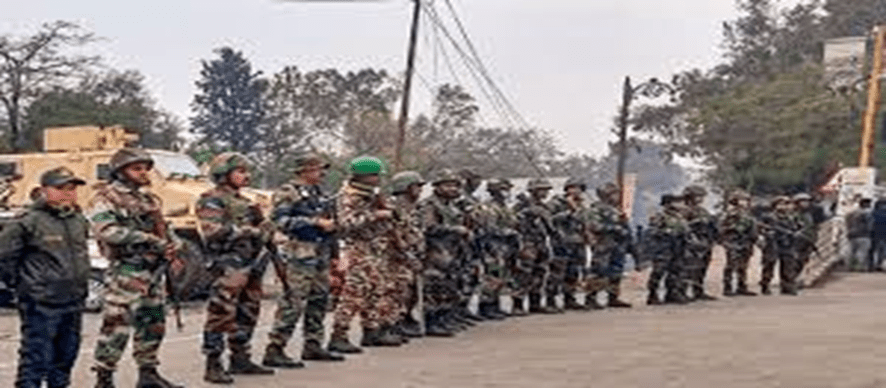
While a reduction in violence is a positive sign, sustainable peace requires comprehensive security sector reforms. This includes modernizing the state police force, enhancing intelligence gathering, and ensuring strict adherence to human rights. The role of central security forces needs to be carefully calibrated to be supportive rather than intrusive, focusing on capacity building of local law enforcement. Addressing the proliferation of illegal arms and narcotics, often intertwined with insurgency, is also critical. A multi-pronged approach that combines firm law enforcement with community engagement and trust-building initiatives is paramount.
Economic Revival and Sustainable Development:
The economic dimension is perhaps the most crucial for long-term stability. The “opening” presents an opportunity to unlock Manipur’s immense economic potential. The state is rich in biodiversity, has a vibrant handloom and handicraft sector, and possesses significant agricultural resources. Focused investment in infrastructure – roads, power, and digital connectivity – is essential to facilitate trade and commerce. Promoting agro-based industries, tourism, and small and medium enterprises (SMEs) can create employment opportunities for the youth, thereby diverting them from unlawful activities. Furthermore, leveraging Manipur’s strategic location as a gateway to Southeast Asia through the Act East Policy can transform it into a hub for cross-border trade and cultural exchange. This requires developing border infrastructure and simplifying trade regulations.
Social Cohesion and Reconciliation:
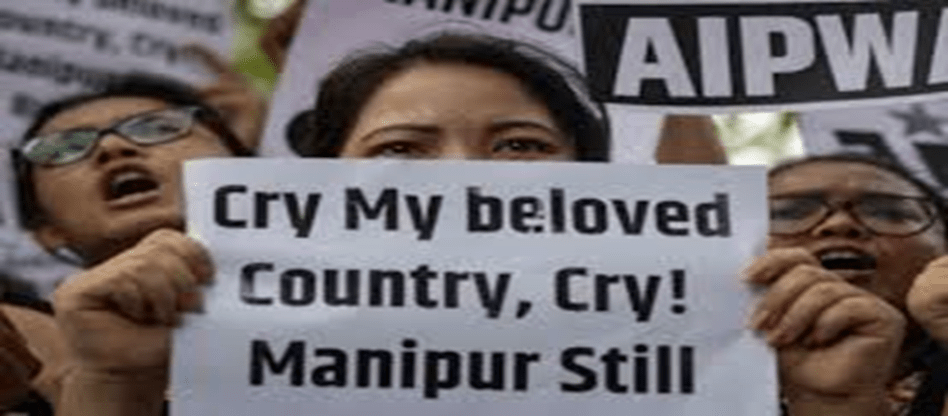
Decades of ethnic tensions have created deep fissures within Manipuri society. The “opening” offers a chance for genuine reconciliation and fostering social cohesion. This involves initiating inter-community dialogues, promoting cultural exchange programs, and creating platforms for shared narratives. Education plays a vital role here, by promoting values of tolerance, understanding, and respect for diversity. Addressing the grievances of marginalized communities and ensuring their equitable representation in all spheres of life is also critical. Civil society organizations and religious leaders can play a significant role in mediating conflicts and building bridges between different groups.
Challenges and the Path Forward:
While the “opening” is a beacon of hope, significant challenges remain. Deep-seated mistrust, the presence of various armed groups, and the influence of external actors could derail progress. The path forward demands sustained commitment, adaptive strategies, and a willingness to learn from past mistakes. A whole-of-government and whole-of-society approach is necessary, where every stakeholder – government, civil society, local communities, and the private sector – plays an active role.
Conclusion:
The “opening” in Manipur, as identified by the Indian Express, represents a fragile yet momentous opportunity. It is a chance to move beyond the cycle of conflict and embrace a future of peace and development. Seizing this opportunity requires a comprehensive, integrated, and sensitive approach that addresses governance deficits, strengthens security, revitalizes the economy, and fosters genuine social reconciliation. For UPSC aspirants, understanding the intricate interplay of these dimensions is key to comprehending the complexities of India’s Northeast and the pathways to sustainable peace and prosperity. The international community, too, watches with keen interest, as a stable and prosperous Manipur contributes significantly to regional peace and connectivity. It is an opportunity that India, and indeed the people of Manipur, cannot afford to miss.
UPSC mains exam question based on the provided topic:
GS-II: Governance, Constitution, Polity, Social Justice and International Relations
- Government policies and interventions for development in various sectors and issues arising out of their design and implementation.
- Issues relating to the development and management of Social Sector/Services relating to Health, Education, Human Resources.
- Welfare schemes for vulnerable sections of the population by the Centre and States and the performance of these schemes; mechanisms, laws, institutions and Bodies constituted for the protection and betterment of these vulnerable sections.
GS-III: Technology, Economic Development, Biodiversity, Environment, Security and Disaster Management
- Challenges to internal security through communication networks, the role of media and social networking sites in internal security challenges, basics of cyber security; money-laundering and its prevention.
- Security challenges and their management in border areas – linkages of organized crime with terrorism.
GS-II: Governance, Constitution, Polity, Social Justice and International Relations. India and its neighborhood relations. Bilateral, regional and global groupings and agreements involving India and/or affecting India’s interests. Effect of policies and politics of developed and developing countries on India’s interests, Indian diaspora.
GS-III: Technology, Economic Development, Biodiversity, Environment, Security and Disaster Management. Indian Economy and issues relating to planning, mobilization of resources, growth, development and employment.
- Infrastructure: Energy, Ports, Roads, Airports, Railways etc.
Question 1. Examine the multi-dimensional challenges that have historically plagued Manipur and critically analyse how a comprehensive, multi-pronged strategy encompassing governance reforms, economic revival, and social reconciliation can effectively seize this ‘opening’ for sustainable peace and development. (15 marks, 250 words)
Question 2. Discuss the potential economic benefits and geo-political significance of integrating Manipur more robustly into India’s Act East Policy, and identify the key infrastructural and policy reforms required to realize this vision. (15 marks, 250 words)
(Source – Indian Express)